
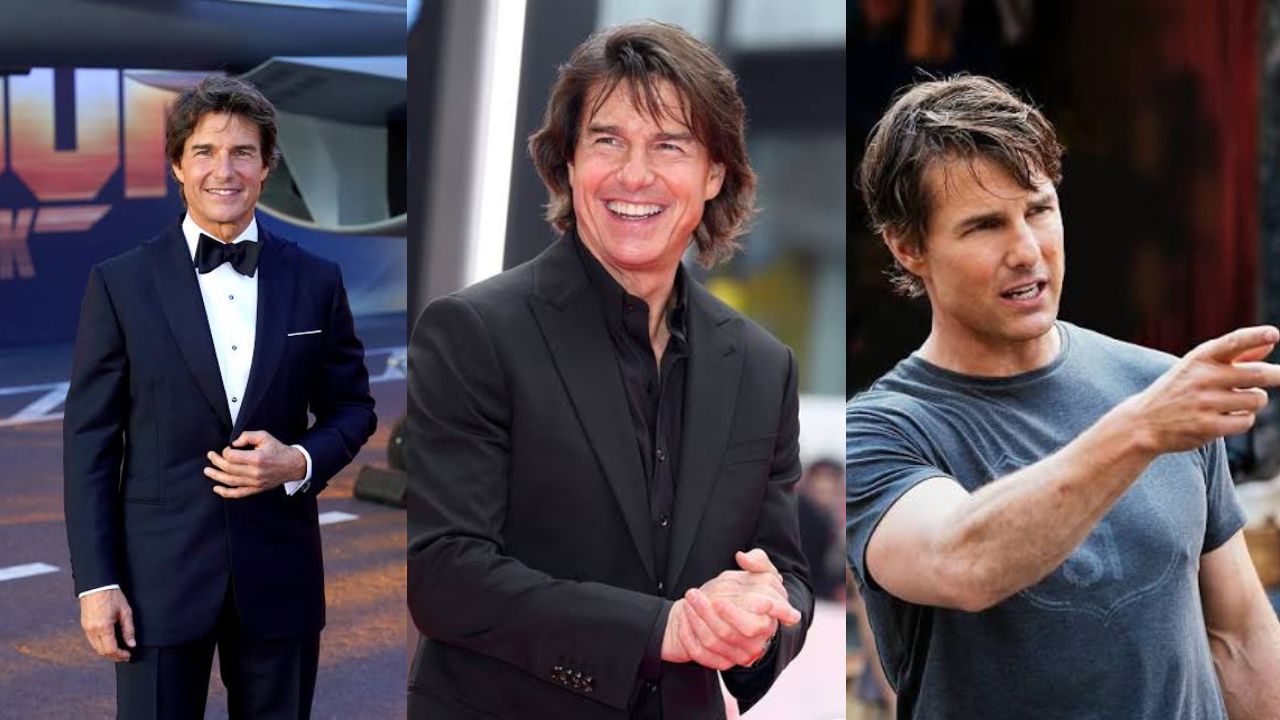
Tom Cruise made $100 million from Top Gun Maverick alone, more than most people earn in a lifetime. That single paycheck represents just a fraction of his massive fortune built over four decades in Hollywood. As of 2026, Tom Cruise’s net worth sits at an estimated $600 million, making him one of the wealthiest actors in the world. But here’s what makes his story interesting: he didn’t get there through endorsement deals, reality shows, or social media influencing. He did it the old fashioned way, with blockbuster movies and incredibly smart business deals. This article breaks down exactly how Tom Cruise built his fortune, what he earns per film, where his money comes from, and what his financial success can teach anyone about building wealth.
Who Is Tom Cruise and Why Does His Wealth Matter?
Born Thomas Cruise Mapother IV in 1962, Tom Cruise started acting in the early 1980s and quickly became a household name. His breakthrough came with Risky Business in 1983, followed by Top Gun in 1986, which turned him into a superstar. Since then, he’s starred in dozens of major films including Jerry Maguire, the Mission Impossible franchise, and the recent Top Gun Maverick.
What sets Tom Cruise apart from other wealthy actors is his consistency. He’s remained an A-list movie star for over 40 years, something almost no one else has managed. His films have earned over $11 billion at the worldwide box office, making him one of the highest grossing actors in history. While other stars come and go, Cruise has maintained his position at the top through careful film selection and a work ethic that borders on obsessive.
His financial success matters because it shows a different path to wealth in entertainment. He doesn’t sell sneakers or energy drinks. He rarely does commercials. Instead, he focused entirely on being the best at one thing: making movies people want to see in theaters.
Tom Cruise Net Worth in 2026: The Numbers
Tom Cruise’s net worth in 2026 stands at approximately $600 million according to financial experts and entertainment industry analysts. This represents steady growth from an estimated $570 million in 2022, before Top Gun Maverick’s massive success pushed his wealth even higher. The jump came primarily from backend profits as the film crossed $1.4 billion globally.
Compared to other top actors, Cruise sits in elite company but not at the very top. Dwayne Johnson’s net worth reaches about $800 million, boosted by endorsement deals and his tequila brand. Tyler Perry tops $1 billion thanks to owning his content and studio. Jerry Seinfeld sits around $950 million from syndication deals. Leonardo DiCaprio’s net worth is estimated at $300 million, while Brad Pitt comes in around $400 million.
What separates these numbers is the strategy behind them. Cruise built his fortune almost exclusively through film work, while others diversified into business ventures, endorsements, and ownership deals. His assets include approximately $100 million in real estate, significant investment portfolios, and ongoing residuals from his extensive film catalog. The bulk of his wealth comes from cash earned through movie salaries and profit participation over the years.
How Tom Cruise Makes His Money
Tom Cruise earns money differently than almost any other actor working today. His base salary for major films typically starts around $20 to $25 million, which sounds huge until you learn about his backend deals. Backend participation means he gets a percentage of the film’s profits after it releases. For blockbuster hits, this backend money absolutely dwarfs his upfront salary.
Here’s how it works in simple terms. The studio pays him $20 million to make the movie. Then, once the film makes back its production and marketing costs, Cruise starts receiving a percentage of every dollar earned. On massive hits like Top Gun Maverick, this can mean $80 million or more on top of his base pay. Most actors negotiate for net points, which means they only get paid after everyone else takes their cut. Cruise negotiates for gross points, meaning he gets paid from the first dollars that come in.
This deal structure is incredibly rare in modern Hollywood. Studios hate giving gross points because it cuts into their profits. But Cruise has the track record and star power to demand it. His films make money, plain and simple. Over his career, very few Tom Cruise movies have lost money for studios.
Beyond acting, Cruise earns money as a producer on most of his recent films. This adds another income stream and gives him creative control. Unlike many stars, he’s never focused on endorsement deals. You won’t see him selling watches, cologne, or cars. This focus on film keeps his brand pure as a movie star, which actually increases his film earning power.
Mission Impossible Franchise: His Biggest Money Maker
The Mission Impossible franchise represents Tom Cruise’s most lucrative ongoing venture. Since the first film in 1996, he’s made seven Mission Impossible movies through 2023, with an eighth scheduled for 2025. His earnings from recent installments in the series reportedly reach $70 to $100 million per film when combining salary and backend participation.
What makes this franchise special is Cruise’s dual role as star and producer. He doesn’t just show up and act. He develops the stories, approves directors, and maintains creative control over every aspect. This producer credit means he earns money from multiple revenue streams on each film. The movies consistently earn $600 million to $800 million globally, making them reliable profit machines.
Cruise’s insistence on doing his own stunts has become a marketing tool that drives ticket sales. When audiences know he really climbed the Burj Khalifa or actually hung off the side of a flying airplane, they want to see it on the biggest screen possible. These stunts cost extra money and increase production budgets, but they also generate massive publicity and box office returns.
Mission Impossible 8, currently in post production, will likely earn Cruise another $100 million when it releases. The franchise shows no signs of slowing down, and each film seems to outdo the previous one in both spectacle and earnings.
Top Gun Maverick: A Case Study in Massive Paydays
Top Gun Maverick deserves its own discussion because it perfectly demonstrates how Tom Cruise’s deal structure creates enormous wealth. His base salary for the film was reportedly around $12.5 million, much lower than his typical rate. But he negotiated for a huge percentage of first dollar gross, estimated between 10% and 20%.
The film’s success exceeded everyone’s expectations. It earned over $1.4 billion worldwide, becoming the highest grossing film of 2022 and Cruise’s biggest hit ever. Based on his backend deal, industry analysts estimate he made between $90 and $100 million total from Top Gun Maverick. That’s an eight times multiple on his base salary.
The movie was originally set to release on streaming service Paramount Plus. Cruise fought hard to delay the release until theaters reopened after the pandemic. He wanted a theatrical release, and he was willing to wait for it. That decision proved brilliant. If the film had gone straight to streaming, he would have earned maybe $30 million total. By waiting for theaters, he tripled or quadrupled his payday.
This shows another aspect of Cruise’s financial wisdom. He takes short term risk for long term gain. Waiting meant uncertainty, but he believed in the film and in theatrical audiences. That confidence paid off in a massive way.
His Smartest Financial Moves Over the Years
Tom Cruise started negotiating profit participation deals in the 1990s, well before it became common for actors. When he made Jerry Maguire in 1996, he reportedly earned over $70 million from the film through his backend deal. That same year, he negotiated similar terms for Mission Impossible. These early wins set the template for his entire career.
Forming his production company gave him more control and additional revenue streams. Rather than just being hired talent, he became a package deal: star, producer, and creative force. Studios had to negotiate with him differently, which increased his leverage. He chooses quality over quantity, typically making one film every two to three years. This selectivity keeps him in demand and prevents audience fatigue.
His real estate moves show similar intelligence. He’s bought properties in prime locations, held them during appreciation periods, and sold at profits. A Beverly Hills mansion purchased for $30 million sold years later for substantial gain. Unlike some celebrities who constantly upgrade and lose money on real estate, Cruise treats property as investment.
Perhaps most importantly, he’s avoided major financial scandals and bad investments. Many wealthy celebrities lose fortunes on restaurants, tech startups, or bad business partnerships. Cruise has stayed focused on what he knows: making movies. This discipline has protected his wealth from the usual pitfalls that drain celebrity bank accounts.
Tom Cruise Real Estate Portfolio
Tom Cruise’s real estate holdings contribute significantly to his overall net worth, with an estimated $100 million in property value. His primary residence is a stunning mountain estate in Telluride, Colorado, spanning hundreds of acres with multiple structures. This property serves as his main retreat from Hollywood’s spotlight.
Over the years, he’s owned impressive properties throughout Los Angeles, including mansions in Beverly Hills and the Hollywood Hills. He sold a Beverly Hills estate for approximately $40 million, making a healthy profit from the years he owned it. A Hollywood Hills compound went for nearly $13 million in another transaction.
His real estate strategy differs from many celebrities who constantly buy and flip properties. Cruise tends to hold properties for extended periods, allowing them to appreciate naturally in value. He’s not trying to make money as a real estate investor. Instead, he buys homes he actually wants to live in, then benefits when they increase in value over time.
The properties he chooses emphasize privacy and security, which makes sense for one of the world’s most recognizable people. His Colorado estate in particular offers the seclusion he values when not working. These aren’t just investments. They’re functional properties that serve his lifestyle while also building his net worth.
What Tom Cruise Spends His Money On
Tom Cruise’s spending habits reveal a lot about his priorities. His biggest personal expense is aviation. He owns multiple aircraft, including a Gulfstream jet and several smaller planes. He’s also a licensed pilot who flies his own planes regularly. The cost of purchasing, maintaining, and operating these aircraft easily runs into millions per year.
His luxury vehicle collection includes high end sports cars and motorcycles, though this represents a relatively small expense compared to his income. Security and privacy cost substantial amounts for someone at his fame level. He employs personal security teams and takes extensive measures to protect his privacy.
His donations to the Church of Scientology have been widely reported, though exact amounts remain private. Various estimates suggest he’s contributed millions over the years to the organization. Unlike some celebrities who make their charitable giving public, Cruise keeps most of his donations private, making it difficult to assess his total philanthropic contributions.
Training and stunt preparation represent another major expense category. Staying in shape to perform action sequences in his 60s requires personal trainers, specialized equipment, and extensive preparation time. For Mission Impossible films, he reportedly trains for months before filming begins. These costs add up but are also business investments that maintain his ability to command top salaries.
Despite his massive wealth, Cruise doesn’t live as lavishly as some celebrities worth far less. He doesn’t own mega yachts or collect expensive art. His spending focuses on things he actually uses and enjoys: planes, homes, and the tools needed to make great movies.
How His Career Choices Built His Fortune
Tom Cruise’s wealth comes from decades of smart career decisions. Early in his career, he could have signed on for endless sequels to his hit films. Instead, he varied his roles, doing dramas, action films, and even musicals. This kept him fresh in audiences’ minds rather than becoming typecast.
The risk of performing action films in his 60s seems crazy to some people, but it’s actually brilliant business. No other actor his age can do what he does physically. This creates scarcity and value. Studios can’t replace him with a younger, cheaper actor because nobody else will hang off planes or climb buildings for real.
Working with top directors like Steven Spielberg, Martin Scorsese, and Christopher McQuarrie elevated his films and his reputation. These collaborations resulted in better movies, which made more money, which increased his quote for future films. Quality compounds over time in ways that churning out mediocre movies never does.
His international appeal cannot be overstated. Tom Cruise movies play everywhere. China, Europe, South America, and Asia all turn out for his films. This global box office power makes him nearly irreplaceable for studios trying to create worldwide hits. A star who only works domestically has much less leverage.
The consistency stands out most. For 40 years, he’s delivered. Studios know that a Tom Cruise movie will be completed on time, he’ll do massive press tours, and audiences will show up. That reliability is worth millions in reduced risk for studios.
Comparison: Tom Cruise vs. Other Top Earning Actors
Looking at how Tom Cruise’s net worth compares to other top actors reveals different paths to wealth in entertainment:
Actor Wealth Comparison 2026:
Tom Cruise built $600 million primarily through film salaries and backend deals. Dwayne Johnson reached $800 million by combining movies with endorsement deals for Under Armour, his tequila brand Teremana, and his production company. Tyler Perry hit $1 billion by owning his content outright and operating his own studio in Atlanta.
Jerry Seinfeld’s $950 million comes mostly from syndication rights to his sitcom, showing the power of television ownership. Leonardo DiCaprio’s $300 million focuses purely on film like Cruise, but without the same backend deal success. Brad Pitt’s $400 million includes film earnings plus his production company Plan B.
The differences come down to strategy. Cruise maximized film earnings through negotiation and consistent hits. Johnson diversified across multiple income streams. Perry chose ownership over salary. Each approach works, but they require different skills and risk tolerance.
What’s interesting about Cruise is his single minded focus. While probably leaving money on the table by avoiding endorsements, he’s protected his image as a pure movie star. This arguably helps him command higher film salaries because his brand isn’t diluted across products.
The Impact of Streaming on His Earnings
Streaming changed everything for actor compensation in Hollywood. When films went to theaters, backend deals could generate massive paydays from box office success. Streaming services pay flat fees or much smaller bonuses based on viewing metrics that aren’t publicly disclosed.
Tom Cruise recognized this threat early. His insistence that Top Gun Maverick receive a theatrical release, even when Paramount wanted to send it to streaming, showed his understanding of how distribution affects his wallet. A streaming release might have paid him $30 million total. The theatrical release generated over $100 million.
This stance on theatrical releases isn’t nostalgia. It’s business. Cruise earns exponentially more from theatrical hits than streaming films because his deals are based on box office performance. If theaters die, his earning power drops dramatically. Many younger actors have no choice but to accept streaming deals. Cruise has enough power to demand theatrical releases.
His position on the future of cinema aligns his artistic beliefs with his financial interests. He genuinely believes movies should be seen in theaters, and theaters happen to be where he makes the most money. This alignment gives him credibility when fighting for theatrical releases.
The studios listen because he’s been proven right. Top Gun Maverick showed that audiences will come to theaters for the right movies. Mission Impossible films continue proving it. Each success strengthens his negotiating position for the next project.
Business Ventures Beyond Acting
Unlike many wealthy celebrities, Tom Cruise hasn’t chased business ventures outside entertainment. His production company operates primarily to produce his own films rather than as a standalone business. He doesn’t own restaurants, clothing lines, or tech startups.
This narrow focus might seem like a missed opportunity, but it’s actually strategic. Every business venture requires time, attention, and capital. Most celebrity businesses fail because the celebrity isn’t truly involved or knowledgeable about the industry. By staying focused on film, Cruise avoids spreading himself too thin.
His limited endorsement history is notable. In the 1980s and 1990s, he did a few commercial deals, but nothing major. For decades now, he’s avoided endorsements almost entirely. This is unusual for someone of his fame level and represents millions in foregone income annually.
The reason appears to be brand protection. Every endorsement associates his face with a product. If that product fails or disappoints customers, it reflects on him. By keeping his image exclusively tied to his movies, he maintains complete control over his brand.
His investments in film technology and production capabilities serve his primary business: making movies. These aren’t diversification plays. They’re tools to do his main job better. This focused approach has served him well financially.
Controversies That Affected His Earnings
The period from 2005 to 2006 damaged Tom Cruise’s earning power temporarily. His couch jumping incident on Oprah, his public criticism of psychiatry, and other controversial moments hurt his public image. Studios became nervous about his bankability.
Box office performance suffered slightly during this period. Films that might have earned $400 million made $300 million instead. His asking price dropped a bit as studios gained leverage. Paramount even dropped him from their production deal.
His recovery strategy was simple: make great movies and let the work speak. He focused on Mission Impossible sequels and other action films where his performance mattered more than his personal life. Gradually, audiences separated the actor from the person. The box office returns improved.
By 2011 with Mission Impossible Ghost Protocol, he was fully back. The film earned over $690 million worldwide, proving his star power remained intact. Each subsequent success rebuilt his reputation until the controversies faded from public consciousness.
His association with the Church of Scientology continues to generate headlines, but it no longer seems to impact his box office draw. Audiences have decided they don’t care about his personal beliefs as long as the movies deliver. This separation between personal and professional has protected his earning power.
The lesson here is that talent and results eventually overcome controversy in entertainment. If Cruise had stopped making hits, the controversies would have ended his career. Because he kept delivering, they became footnotes.
How Tom Cruise Negotiates His Movie Deals
Tom Cruise’s negotiating power comes from one simple fact: his movies make money. Over a 40 year career, he’s delivered consistent box office success with very few flops. This track record gives him leverage that most actors simply don’t have.
When negotiating, he doesn’t just ask for a big salary. He structures deals that align his interests with the studio’s interests. If the movie succeeds, everyone wins big. If it fails, he makes less. This shared risk model actually makes studios more willing to give him backend points because they know he’s motivated to promote and support the film.
First dollar gross participation is his key demand. This means he gets a percentage of revenue from the very first ticket sold, not just after the studio recoups costs. Studios almost never agree to this because net profit deals let them subtract expenses before paying actors. But Cruise’s track record justifies the exception.
His agents and lawyers obviously play crucial roles, but Cruise himself is reportedly deeply involved in negotiations. He understands the business side of filmmaking better than most actors. This knowledge prevents him from signing bad deals or leaving money on the table.
The power of being one of the last true movie stars cannot be overstated. Most actors today are franchises or superheroes, not the draw themselves. Cruise is the draw. People buy tickets to see Tom Cruise movies, not just Mission Impossible movies. This personal brand power is incredibly rare and valuable.
Future Earnings Potential
Looking forward, Tom Cruise’s earning potential remains strong despite his age. Mission Impossible 8 is scheduled for release in 2025 and should generate another massive payday in the $80 to $100 million range. He’s expressed interest in making more films in the franchise beyond that.
Other projects in development remain mostly secret, but he’s not slowing down. Reports suggest he’s considering another action franchise and possibly even a space film shot in actual orbit. Each of these projects could generate eight figure paydays at minimum.
The question of how long he can continue doing action films looms large. He’s in his early 60s now and still performing stunts that would challenge actors half his age. At some point, age will catch up. But every year he continues defying expectations increases the spectacle and the box office draw.
Legacy income from his extensive film catalog provides ongoing revenue through streaming residuals and television rights. While not as lucrative as new films, these payments add up over dozens of movies. His backend deals on older films often include long tail revenue sharing.
His production company could expand to produce films he doesn’t star in, creating another income stream. However, this seems unlikely given his hands on approach and limited interest in projects he’s not personally involved with.
Retirement seems distant. Unlike many wealthy individuals his age, Cruise shows no signs of stepping back. Filmmaking appears to be his passion, not just his job. As long as he’s physically capable and audiences keep showing up, he’ll likely keep making movies.
Lessons From Tom Cruise’s Financial Success
Tom Cruise’s path to $600 million offers several lessons applicable beyond Hollywood. First, betting on yourself works if you have the skills to back it up. He took backend deals that paid less upfront but more over time because he believed in his ability to deliver hits.
Quality over quantity applies to any field. Making one great movie every few years beat churning out mediocre films constantly. This approach works in business too. One excellent product often beats ten average ones.
Negotiating for long term value instead of short term cash requires patience and confidence. His backend deals meant waiting months or years after filming to receive his biggest payments. Many people grab immediate money and miss larger future payouts.
Maintaining your reputation and reliability creates compounding advantages over time. Studios pay premium rates for Cruise because they know he’ll deliver. In any career, being someone others can count on increases your value exponentially.
Taking calculated risks separates great success from good success. Waiting for theatrical release of Top Gun Maverick was risky. Doing dangerous stunts in his 60s is risky. But he calculates these risks carefully and manages them professionally.
Protecting your brand matters more than maximizing every opportunity. He could have made hundreds of millions more through endorsements but chose to protect his image as a pure movie star. Sometimes saying no makes you more valuable.
Focus and specialization beat diversification for building expertise. Rather than spreading himself across businesses he didn’t understand, Cruise mastered one thing: making blockbuster movies. Deep expertise in one area often creates more wealth than surface knowledge in many areas.
Conclusion
Tom Cruise’s net worth of $600 million in 2026 represents more than just accumulated wealth. It shows the results of four decades of strategic career choices, smart negotiations, and unwavering commitment to his craft. From his early backend deals in the 1990s to his recent $100 million payday from Top Gun Maverick, every step demonstrated business intelligence matching his acting talent.
His path differs from other wealthy entertainers who diversified into products, endorsements, and business ventures. Instead, he focused entirely on being the best at making theatrical films that audiences want to see. This single minded approach, combined with his willingness to take calculated risks and perform death defying stunts, created a unique market position that commands premium compensation.
The numbers tell the story: over $11 billion in worldwide box office, consistent $70 to $100 million paydays for recent films, and a real estate portfolio worth over $100 million. But beyond the numbers, his career shows how aligning your interests with your partners, maintaining your reputation, and delivering consistent excellence creates lasting wealth.
As he continues making films into his 60s, Tom Cruise’s fortune will likely grow. More importantly, his approach to building wealth through mastery, strategic thinking, and calculated risk offers lessons for anyone pursuing financial success in any field.
Want to learn more about how successful people build and manage their wealth? Subscribe to our newsletter for weekly insights into the financial strategies of top earners across industries, with practical lessons you can apply to your own financial journey.