

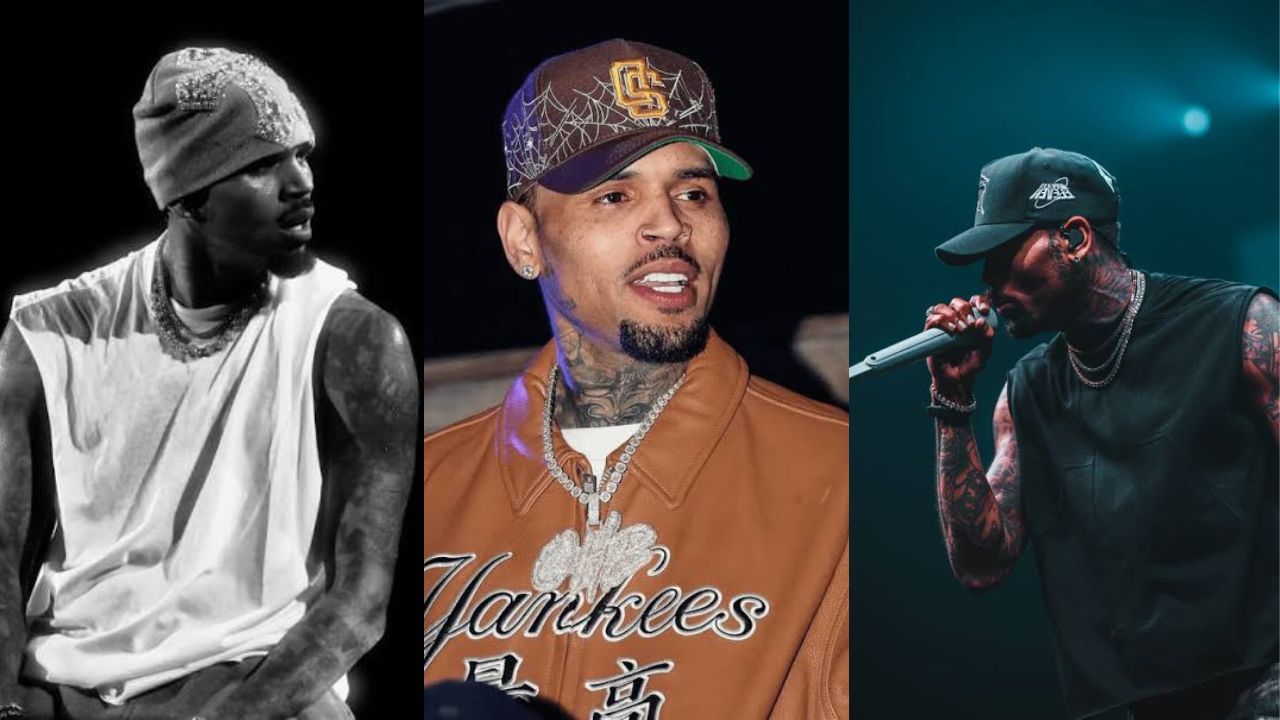
Chris Brown has sold over 140 million records worldwide and earned hundreds of millions throughout his career, yet most people don’t know exactly where his $50 million net worth comes from. The R&B superstar’s financial success didn’t happen by accident. It came from careful decisions, smart partnerships, and years of hard work in the entertainment industry.
Understanding Chris Brown net worth means looking at multiple income sources. Music streaming brings in steady money every single month. Concert tours generate millions for each performance. Endorsement deals with major brands add significant cash. Business ventures and real estate investments grow his wealth consistently.
This article breaks down exactly how Chris Brown built his fortune. You’ll learn where his money comes from and why he’s stayed relevant for nearly 20 years. Whether you’re curious about celebrity finances or interested in the music industry, you’ll find real answers about his earnings and financial strategy.
Who Is Chris Brown and Why His Money Matters
Christopher Maurice Brown was born on May 5, 1989, in Tappahannock, Virginia. He grew up in a middle class family and developed a passion for music and dance early in life. By his teenage years, he was already performing and catching the attention of industry professionals.
At age 16, Chris Brown signed his first record deal with Jive Records. This early start gave him a massive advantage over competitors who didn’t break through until their twenties. Starting young meant more years to build wealth and establish himself as a major artist.
Today at 34 years old, Chris Brown remains one of the most successful R&B artists alive. His music career spans nearly two decades of consistent hits and chart dominance. Beyond pure music talent, his business sense has helped him accumulate significant wealth.
Chris Brown net worth matters because it shows how entertainment careers generate income. His story demonstrates that making money in music extends far beyond album sales. Understanding his financial success teaches lessons about diversification and staying relevant in competitive industries.
Early Career and the Breakthrough That Changed Everything
Chris Brown’s breakthrough came with his debut single “Run It!” released in 2005. The song was infectious, catchy, and impossible to ignore on radio stations worldwide. It shot straight to number one on the Billboard Hot 100 chart and stayed in high rotation for months.
The success of “Run It!” opened every door in the music industry simultaneously. He was suddenly a household name at just 16 years old. The song’s massive success meant radio play royalties, streaming revenue, and intense label interest. Record labels were eager to sign him to lucrative deals because they knew he had commercial appeal.
His debut album “Exclusive” released later that same year and became an instant success. It included multiple hit singles like “Yo (Excuse Me Miss)” and “Kiss Kiss.” The album sold millions of copies worldwide and generated substantial revenue from physical sales and digital downloads.
Early success like this builds a foundation for long term wealth. Radio play meant royalty payments that continued for years. Album sales created cash that went directly to his account. This early momentum established Chris Brown as a legitimate money maker in the entertainment business, which influenced all future business deals and negotiations.
Album Sales and Chart Success: The Foundation of His Wealth
Chris Brown has released nine studio albums spanning from 2005 to 2023. Each album brought in millions of dollars from different sources including physical sales, digital downloads, and streaming revenue. His most successful album commercially was “F.A.M.E.” released in 2011.
“F.A.M.E.” sold over 2 million copies worldwide and won a Grammy Award for Best R&B Album. The album included massive hits like “Look at Me Now” and “Turn Up the Music.” These songs played constantly on radio stations and streaming platforms, generating millions in royalties.
“Fortune” came in 2012 and also achieved major commercial success. The album sold 1.5 million copies worldwide and featured popular tracks like “With You.” Multiple hit singles meant extended radio play and streaming revenue that continued for years after release.
Albums like “X” (2014) and “Royalty” (2015) continued the pattern of commercial success. Even though album sales have declined overall in the music industry, Chris Brown’s releases still perform exceptionally well. “Indigo” released in 2019 showed he could still achieve platinum status in the streaming era.
Physical album sales may seem old fashioned, but they still matter financially. A single album sale generates more revenue upfront than thousands of streams. International album sales especially generate significant income because fans in different countries purchase physical copies at higher rates than Americans do.
Streaming Revenue: The Modern Money Machine
Streaming has become the primary way people listen to music, and Chris Brown benefits tremendously from this shift. He has billions of streams across all major platforms including Spotify, Apple Music, YouTube Music, and Amazon Music. These billions of streams translate directly into ongoing royalty payments.
Spotify alone likely generates hundreds of thousands of dollars annually for Chris Brown. He consistently has over 60 million monthly listeners on Spotify, which means his music plays constantly to massive audiences. Every time someone plays one of his songs, he gets a fraction of a penny. When millions of people play his music millions of times, those fractions add up to serious money.
YouTube is another massive streaming platform that pays royalties. Music videos get billions of views, and Chris Brown’s most popular videos have been watched hundreds of millions of times. YouTube pays content creators based on ad revenue generated by their videos, which means his most popular videos generate thousands of dollars monthly.
Apple Music pays higher royalty rates than Spotify, but fewer people use the platform. Still, millions of Apple Music subscribers listen to Chris Brown regularly. International streaming platforms in countries like China and India are growing rapidly and adding to his total streaming income.
What makes streaming income so valuable is that it’s relatively passive. Once a song is released, it continues generating money indefinitely. His biggest hits from 2005 are still being streamed today and still generating royalties. Over 18 years, the accumulated streaming revenue from his entire catalog amounts to tens of millions of dollars.
Tour Revenue: Making Millions on the Road
Concert tours represent one of the most lucrative income sources for established artists like Chris Brown. He has done multiple world tours throughout his career, each generating millions in gross revenue. Large arena tours can gross between $10 million and $50 million depending on the number of shows and ticket prices.
A typical Chris Brown tour includes 50 to 100 shows across multiple countries. With average ticket prices ranging from $50 to $200 depending on venue and seat location, each show grosses hundreds of thousands to over a million dollars. However, the artist doesn’t keep all this money. Tour expenses including production, crew, transportation, and security typically consume 40 to 60 percent of gross revenue.
After expenses, Chris Brown likely nets between $5 million and $15 million per major world tour. He tours frequently, often launching new tours every couple of years to support new album releases. Over his career, touring has likely generated well over $100 million in total net revenue.
Merchandise sales at concerts add additional income beyond ticket sales. Fans purchase t-shirts, hats, posters, and other branded items at each show. Merchandise revenue can add another 10 to 20 percent on top of ticket sales. VIP packages that include meet and greets or premium seating also add significant revenue per show.
International touring is especially profitable because ticket prices are often higher in other countries. European and Asian tours can be more lucrative than domestic American tours due to strong currency exchange rates and high demand. His global appeal means he can tour constantly in different regions throughout the year.
Feature Collaborations and Royalties
Chris Brown has appeared as a featured artist on numerous hit songs by other artists. These feature appearances generate ongoing royalty income that often gets overlooked. Songs like “Kiss Kiss” with T-Pain and collaborations with Drake, Usher, and Wiz Khalifa brought in both upfront payments and royalties.
When another artist features Chris Brown on their song, he typically receives an upfront payment plus ongoing royalties from all sales and streams. A major feature on a hit song can mean payments ranging from $10,000 to over $100,000 depending on the artist’s status and the song’s commercial success. If the collaboration becomes a massive hit, royalties can add hundreds of thousands of dollars.
Songwriting credits provide additional income beyond performance royalties. If Chris Brown co-wrote a song he’s featured on, he earns songwriting royalties every time the song is performed or streamed. Songwriting royalties often exceed performance royalties, making co-writing credits extremely valuable financially.
Production credits work similarly to songwriting credits in terms of royalty generation. Even if he wasn’t the primary producer on a track, a production credit means ongoing royalty payments for as long as the song is streamed or played. Over hundreds of millions of streams, production credits accumulate significant income.
These feature collaborations add up because he’s been featured on multiple hits throughout his career. Some features were with A-list artists like Drake, which meant more exposure and higher streaming numbers. The combination of feature income from dozens of successful collaborations represents millions in cumulative royalties over the years.
Music Production and Ownership
Chris Brown has been directly involved in producing much of his own music throughout his career. Production credits mean royalty payments every time a song is streamed or performed. Unlike performance royalties that get split with the record label, production royalties go directly to the producer.
He’s also produced music for other artists on his record label. His production work generates both upfront fees for creating the music plus ongoing royalties. A successful beat or production can generate hundreds of thousands of dollars in royalties over time if the song becomes popular.
Chris Brown owns his record label called CBE Records. This label has signed other artists and produced their music, which creates income for the label. Record labels earn money from their artists’ album sales and streams, meaning Chris Brown benefits from the success of artists on his roster.
Publishing rights are another valuable asset. If Chris Brown owns the publishing for his songs, he earns publisher royalties in addition to writer and performer royalties. Publishing ownership is extremely valuable because it generates income from every use of the song including radio, streaming, commercials, and movies.
Master recording ownership represents another layer of valuable assets. If Chris Brown owns the master recordings of his songs, he gets paid every time someone streams that specific recording. Many older artists are buying back their master recordings because they’re so valuable. His recent master recording ownership means he’s capturing more income per stream than earlier in his career.
Endorsement Deals and Brand Partnerships
Major brands have paid Chris Brown significant money to endorse their products and be associated with their companies. Endorsement deals with technology companies, fashion brands, and beverage companies can be worth millions annually. A single endorsement deal might pay anywhere from $500,000 to several million dollars depending on the brand and contract length.
Fashion brands have partnered with Chris Brown for his style and appeal to younger audiences. He’s appeared in advertising campaigns and served as a brand ambassador for various companies. These high profile partnerships are valuable because they leverage his fame and reach millions of people through advertisements.
Appearance fees provide another income source where companies pay Chris Brown to attend events, perform, or appear at their products’ launches. A major appearance fee can range from $100,000 to over $500,000 depending on the event. When you multiply this by dozens of appearances annually, it adds up to millions in additional income.
Social media sponsored posts are increasingly valuable for celebrities with large followings. Chris Brown’s millions of Instagram followers make each sponsored post valuable to brands. A single sponsored post can pay $50,000 to $250,000 depending on engagement rates and audience demographics. With thousands of followers engaging with his posts, brands pay well for this exposure.
Product line collaborations where companies create products bearing his name or using his likeness generate royalties. These might include fragrances, clothing lines, or other consumer products. If a fragrance or clothing line uses his name and image, he earns money from each item sold through royalty agreements.
Acting and Entertainment Ventures Beyond Music
Chris Brown has appeared in films and television shows throughout his career, adding another income source beyond music. His acting roles have included films like “Stomp the Yard” and various television appearances. These acting jobs provide both upfront payment and potential royalty payments if the projects continue generating revenue.
Television appearances on talk shows, award shows, and reality television have also generated income. Major television appearances can pay anywhere from $10,000 for smaller shows to several hundred thousand dollars for major televised events. Plus, performing on major award shows generates additional publicity that boosts his other earnings.
Music video directing represents another revenue stream often overlooked. Chris Brown has directed music videos for himself and other artists. Directors earn upfront fees plus potential bonuses if videos perform well. Successful music videos can generate millions of views, and directors participate in the revenue generated.
Voice acting work in animated films and television shows provides additional income. These projects typically pay less than live action work but require less time and effort. A voice acting gig might pay $50,000 to $200,000 depending on the project’s budget and scope.
These entertainment ventures beyond pure music performance show his versatility and ability to monetize his talents across different mediums. Each entertainment project generates immediate income plus potential long term royalties if the projects remain popular.
Business Ventures and Entrepreneurship
Chris Brown owns CBE Records, his personal record label that signs and develops other artists. The label generates income from the success of artists on its roster. Every album sold and stream generated by CBE Records artists creates revenue that benefits the label and its owner.
His entertainment company structures allow him to invest in and develop various projects beyond music. These business structures can create income through multiple channels and reduce overall tax burden through strategic business planning. Successful entertainment companies can be worth tens of millions of dollars.
Investment in technology companies and entertainment startups has likely generated additional wealth. Celebrities with significant capital often invest in emerging companies that could become extremely valuable. If any of his investments succeed, the returns could be exponential.
Real estate development or investments could represent additional business ventures. Some celebrities invest in property development projects that generate significant returns. His real estate knowledge from buying multiple properties could extend into development and flipping projects.
Sports team investments or entertainment venue ownership represent potential business ventures. Some celebrities invest in sports teams, music venues, or entertainment properties that generate ongoing revenue. These types of investments diversify wealth beyond personal performance income.
Real Estate: Where Chris Brown Invests His Money
Chris Brown has purchased multiple properties over the years, primarily in the Los Angeles area. Real estate represents a significant portion of his wealth beyond liquid cash from entertainment income. Property purchases demonstrate smart wealth management and long term financial planning.
He’s purchased luxury homes in desirable Los Angeles neighborhoods worth millions of dollars each. Real estate in premium locations appreciates over time, meaning properties purchased for $5 million might be worth $8 million or more a few years later. This appreciation builds wealth without requiring any active work.
Property investment strategy shows financial maturity and planning beyond typical celebrity spending. Rather than spending all earnings on temporary luxuries, he’s invested in appreciating assets that build long term wealth. Multiple properties in premium locations represent tens of millions in real estate holdings.
Real estate provides additional benefits beyond appreciation including tax deductions for mortgage interest and property taxes. Rental income if any properties are rented out generates additional passive income. Real estate also provides security because property cannot disappear or become worthless like some investments can.
International real estate investments might also exist beyond publicly known American properties. Wealthy celebrities often invest in property in multiple countries for diversification and tax benefits. His wealth level suggests he likely owns property in locations beyond what’s publicly reported.
Legal Issues and Financial Impact
Chris Brown has faced significant legal challenges that affected his finances throughout his career. High profile legal cases require expensive attorneys and often result in settlement payments. Legal defense costs can easily reach millions of dollars for major cases.
Settlement payments to victims or their families represent significant financial outflows. These payments, while necessary, reduce total net worth and liquid cash available. Several major settlements have likely totaled millions of dollars collectively.
Criminal legal defense costs and court proceedings consume substantial resources. Even winning a case requires expensive legal representation. The combination of legal fees and potential penalties or settlements can impact earnings significantly in specific years.
However, his career recovery demonstrates resilience and business acumen. Rather than letting legal troubles end his career, he continued working and earning significant income. His ability to rebuild after setbacks shows his value and appeal to audiences worldwide.
Insurance coverage for various types of liability likely protects against worst case financial scenarios. Celebrities often carry extensive legal liability insurance to protect accumulated wealth. Without proper insurance, a single large lawsuit could devastate financial security.
Social Media and Digital Content Income
Chris Brown has over 100 million followers across social media platforms including Instagram, TikTok, and Twitter. This massive following represents valuable audience reach that generates income through multiple channels. Each platform offers different monetization opportunities and income potential.
Instagram sponsorships where brands pay for promotional posts can generate $50,000 to $250,000 per post depending on engagement rates. With thousands of engaged followers, each post receives millions of impressions. Brands pay substantial amounts for this type of influencer marketing exposure.
TikTok presence opens up another income source through the platform’s creator fund and brand partnerships. Short form video content can go viral and reach enormous audiences. Going viral on TikTok can lead to major sponsorship deals and increased visibility.
YouTube provides income through ad revenue on his channel and content partnerships. Music videos and behind the scenes content generate millions of views, which translates to ad revenue. YouTube partnerships and exclusive content deals add additional income beyond ad revenue.
Direct fan support through platforms like Patreon or similar services could generate income if implemented. Fans willing to pay for exclusive content, early access, or behind the scenes material create another revenue stream. Some celebrities have built significant income through direct fan support.
Comparison to Other R&B and Hip Hop Artists
Chris Brown net worth of $50 million places him solidly in the upper tier of successful music artists. Compared to Drake who’s worth approximately $250 million, Chris Brown has accumulated somewhat less wealth. However, The Weeknd’s net worth of approximately $45 million is nearly identical, showing Chris Brown’s strong financial position.
Usher has accumulated approximately $180 million through a longer career starting in the early 1990s. His earlier start and consistent success for nearly 30 years explains his higher net worth. Chris Brown has been working for 18 years, so his $50 million represents exceptional earnings rate for his career length.
Industry earnings potential varies based on genre, touring ability, and international appeal. R&B artists typically earn less than hip hop artists at similar fame levels. Hip hop tours often generate higher ticket sales due to genre popularity, which impacts overall earnings.
Chart success varies significantly even among successful artists. Artists with more radio hits and streaming numbers accumulate wealth faster than those with fewer commercial successes. Chris Brown’s consistent chart dominance for nearly two decades explains his strong financial position relative to other artists.
International touring ability is crucial for maximizing earnings. Artists who appeal to global audiences can tour constantly in different regions. Chris Brown’s worldwide appeal allowed him to tour extensively, which built substantial wealth compared to artists with limited international appeal.
How Chris Brown Net Worth Is Calculated
Net worth estimates for celebrities like Chris Brown are calculated by estimating total assets and subtracting total liabilities. Assets include real estate, cash, investments, business interests, and intellectual property value. Liabilities include mortgages, loans, and legal judgments owed.
Estimating music catalog value represents a major challenge because published sales and streaming data isn’t always public. Experts estimate catalog value based on comparable sales, streaming patterns, and typical royalty structures. Different experts often arrive at different valuations for the same catalog.
Real estate value is estimated using comparable property sales in the same area and neighborhoods. Properties are typically valued at recent sales prices of similar homes nearby. Real estate represents easier to verify wealth because sales data is often publicly available.
Business ownership value depends on the profitability and size of owned companies. Valuing privately held companies like CBE Records requires estimating revenue and applying typical industry valuations. These estimates can vary significantly depending on methodology used.
Liquid cash on hand is difficult to estimate without access to tax returns or financial statements. Celebrity net worth sites make educated guesses based on recent earnings and spending patterns. The actual liquid cash could be substantially different from estimates.
Professional athletes and entertainers have significant earning power that translates to higher net worth estimates. Income level serves as a multiplier on asset valuations because future earning potential affects current net worth calculations. Someone earning $20 million annually is worth more than someone earning $1 million annually with identical assets.
Chris Brown’s Earning Potential for the Future
At 34 years old, Chris Brown remains young enough to continue earning substantial income for another 10 to 15 years. His fanbase includes loyal supporters from his early career plus newer fans discovering his music. This multi generational appeal supports continued touring and recording success.
Upcoming projects including new music releases and tours represent immediate income opportunities. Each new album release launches touring cycles that generate millions. His track record suggests continued commercial success with future releases.
Business venture expansion could significantly increase total wealth accumulation. If CBE Records develops major artist success or other businesses launch successfully, income could accelerate. Entrepreneurs who successfully scale businesses often accumulate wealth much faster than entertainment alone provides.
Master recording buybacks represent potential wealth building opportunities. If Chris Brown purchases his older master recordings, he gains more revenue per stream from this music. Owning more master recordings increases future streaming income substantially.
International market expansion in countries like China, India, and Southeast Asia represents growth potential. As streaming penetrates these massive populations, music consumption grows significantly. His established catalog is well positioned to benefit from growing international streaming.
Catalog appreciation due to overall streaming growth should increase the value of his intellectual property over time. As total music streaming revenue grows globally, individual artists’ catalogs become more valuable. His billion plus streams position him well to benefit from this trend.
Charity Work and Philanthropy
Chris Brown has been involved in various charitable causes and donations throughout his career. Supporting causes that matter to him demonstrates values beyond pure profit seeking. Charitable work often aligns with personal beliefs and community commitment.
He’s contributed to relief efforts during natural disasters and supported youth organizations. These donations likely total hundreds of thousands of dollars collectively. Celebrity philanthropic work often goes unreported or underreported, meaning actual charitable giving may exceed public knowledge.
Foundation involvement could include his own charitable foundation or partnerships with existing foundations. Charitable foundations allow celebrities to structure giving in tax efficient ways while supporting causes they care about. Foundation assets and contributions represent significant charitable commitment.
Community involvement in his hometown or neighboring communities shows local commitment. Supporting education, music programs, or youth development reflects values many celebrities share. Local charitable work often doesn’t generate publicity but matters enormously to communities served.
Cause advocacy for issues he believes in represents another form of philanthropy. Using his platform to raise awareness about social issues helps causes even without direct financial donations. Celebrity advocacy often drives significant dollars from fans and organizations aligned with their cause support.
Understanding Chris Brown’s Financial Success
Chris Brown built his $50 million net worth through a strategic combination of multiple income sources rather than relying solely on music sales. His early success with “Run It!” gave him an enormous head start that most artists never achieve. That single breakthrough led to decades of additional opportunities and income streams.
The diversity of his income sources is the real secret to his financial success. Rather than depending entirely on streaming or touring, he generates revenue from albums, features, production, endorsements, business ventures, and real estate. When one income source slows down, others fill the gap and maintain financial momentum.
His ability to stay relevant for nearly two decades is remarkable in an industry where artists often fade quickly. Consistent album releases, regular touring, and smart partnership choices kept him in the public eye and generating income. Artists who disappear for years at a time lose momentum and earning potential.
Understanding Chris Brown net worth teaches important lessons about building wealth in entertainment. Smart decisions, diversified income, and long term thinking create financial stability. His career demonstrates that entertainment success is less about luck and more about consistent work and strategic planning.
Whether you’re interested in celebrity finances, music industry economics, or building personal wealth, Chris Brown’s financial journey offers valuable insights. His story shows that starting early, working consistently, and developing multiple income sources creates lasting financial success. Following similar principles can lead to wealth building in any industry or career path.
