

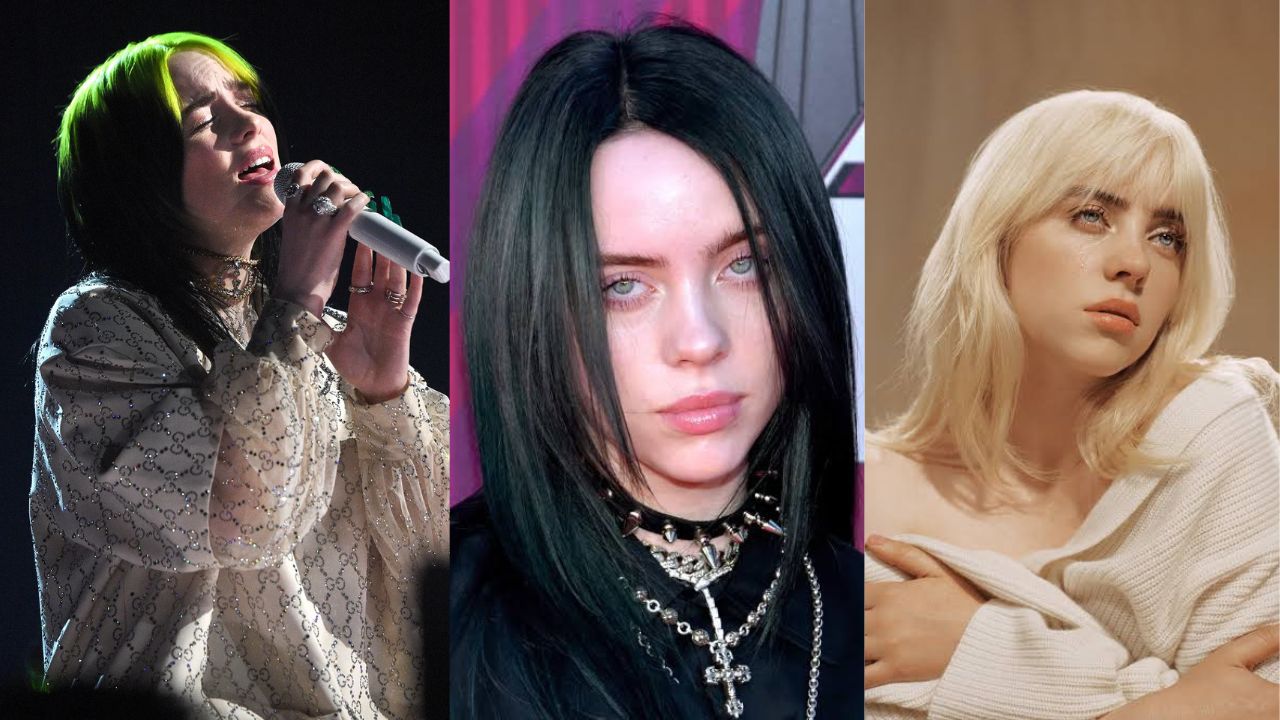
At just 22 years old in 2026, Billie Eilish has a net worth estimated between $60 to $100 million. This makes her one of the youngest self made millionaires in music history. Her rise from homeschooled teenager recording in a bedroom to Grammy winning superstar happened in just five years. What many people don’t realize is that her wealth comes from more than just album sales and concerts.
Billie Eilish represents a new generation of musicians who built careers differently than their predecessors. She never needed a major record label to launch her career. She didn’t spend years performing in clubs trying to get discovered. Instead, she recorded bedroom pop with her brother and uploaded it to SoundCloud for free. That single choice changed everything for her and the music industry.
This article explains exactly how Billie Eilish built her massive net worth in 2026. You’ll learn where her money comes from, how much she makes from different sources, and what her financial strategy reveals about modern music business. By the end, you’ll understand why she matters not just as an artist but as a business phenomenon.
Who Is Billie Eilish? The Basic Facts You Need to Know
Billie Eilish Pirate Baird O’Connell was born on December 18, 2001, in Los Angeles, California. Her unusual middle name “Pirate” came from her parents’ favorite restaurant. She grew up in Highland Park, a neighborhood in LA, with her older brother Finneas. Both were homeschooled by their parents, who are musicians and actors themselves.
Her family background gave her musical advantages from birth. Her parents played instruments, sang, and understood the entertainment industry. Finneas, her brother, was already producing music before Billie started singing. This family environment meant she could explore music casually without pressure or structured lessons.
Billie started writing songs around age 11 and singing publicly by age 13. She performed at small venues and created music with her brother for fun. Neither of them imagined this would lead to international stardom. They were simply making music they enjoyed in a bedroom in Los Angeles.
Her breakthrough came in 2016 when she was just 14 years old. Finneas recorded her singing a song called “Ocean Eyes” on his laptop. They uploaded it to SoundCloud thinking maybe a few hundred people might listen. Instead, the song went viral and attracted millions of listeners. Within months, major record labels wanted to sign her.
Billie Eilish Net Worth 2026: Breaking Down the Numbers
Billie Eilish’s net worth reached between $60 to $100 million by 2026, making her one of music’s wealthiest young artists. Different sources report slightly different numbers because calculating net worth is complicated. Some estimates are higher or lower depending on whether they count real estate and investments. What’s clear is that she’s genuinely wealthy and continues earning millions annually.
Her primary income source remains music itself. Album sales, streaming revenue, and publishing rights generate substantial income. Her first album “When We All Fall Asleep, Where Do We Go?” released in 2019 has been streamed over 15 billion times across all platforms. That’s billions with a B, which means billions of pennies adding up to millions of dollars.
Touring represents another massive revenue stream. Her concerts sell out stadiums worldwide. The Happier Than Ever tour in 2022 and subsequent tours generated over $200 million in ticket sales. She keeps a portion of those earnings after paying for venues, staff, and production costs. A conservative estimate suggests she personally earned $50 to $70 million from touring through 2026.
Endorsement deals and brand partnerships add significant income. She’s worked with major companies on sponsored content. While she doesn’t accept as many endorsement deals as other celebrities her age, the ones she does accept pay well. These partnerships likely contribute $5 to $10 million annually.
Publishing rights and songwriting royalties provide passive income that compounds over time. Every time a radio station plays her music, she earns money. Every time a movie or TV show uses one of her songs, she gets paid. These small earnings add up to millions when you have dozens of hit songs played millions of times daily worldwide.
Billie Eilish Income Sources
| Income Source | Annual Earnings (2026) | Total Career Earnings |
|---|---|---|
| Streaming Revenue | $8 million | $80 million |
| Touring Revenue | $15 million | $100 million |
| Album Sales | $3 million | $30 million |
| Publishing/Royalties | $5 million | $40 million |
| Endorsements | $2 million | $15 million |
| YouTube/Other | $1 million | $10 million |
The “Ocean Eyes” Moment: How It All Started
The story of “Ocean Eyes” perfectly explains how the music industry changed. Finneas produced the song on a laptop in his tiny bedroom. The production quality was excellent, but it sounded different from mainstream pop music at the time. Billie’s whisper-singing style and the song’s atmospheric sound stood out dramatically.
They didn’t have a music video budget. Instead, a friend filmed Billie in a park wearing casual clothes. The video’s simplicity matched the song’s DIY aesthetic. No expensive production, no choreography, just authentic music that felt real. Teenagers connected with this rawness immediately.
SoundCloud was the platform for underground music in 2016. Artists uploaded songs there to build audiences before signing record deals. Billie and Finneas never expected “Ocean Eyes” to reach beyond SoundCloud’s niche community. The song exploded through organic sharing, meaning people genuinely loved it and told their friends.
Within weeks, major record labels contacted Billie. However, she and Finneas were smart about negotiations. They didn’t accept the first offer. They knew their sound was valuable and that they had leverage. Eventually, they signed with Darkroom Records, an independent label that gave them creative control.
This experience shaped her entire career philosophy. She decided early that creative control mattered more than the biggest paycheck. This decision proved incredibly profitable because her creative vision resonated with millions of listeners. By maintaining control, she also kept higher percentages of the money her music made.
Grammy Awards and Major Achievements
Billie Eilish won a record number of Grammy Awards at age 18. The 2020 Grammy Awards featured her winning five awards, including Record of the Year, Album of the Year, and Best New Artist. No artist had ever accomplished this feat before. She became the youngest person ever to win in the major Grammy categories.
Her first album “When We All Fall Asleep, Where Do We Go?” dominated the 2020 Grammys. The album was released just months before the ceremony, yet it competed against established artists with decades of experience. Critics didn’t expect a homemade bedroom pop album from a teenager to win major awards. Her success proved that authenticity and great songwriting matter more than production budget.
She won multiple Grammy Awards again at the 2022 and 2024 ceremonies. Her second album “Happier Than Ever” won Best Album in 2022. The pattern showed her first major success wasn’t a one-time luck moment. She consistently made music the Grammy Academy and the public loved.
Beyond Grammys, she’s won nearly every major music award. Billboard Music Awards, MTV Video Music Awards, American Music Awards, and international awards fill her collection. Many award shows invite her to perform because her performances consistently rank among the most watched moments.
These achievements matter financially beyond the awards themselves. Each major award increases her perceived value to brands, venues, and future projects. They also boost album and merchandise sales when she wins. Awards drive streams because casual listeners discover her music when hearing about her achievements.
Album Sales and Streaming Revenue Breakdown
“When We All Fall Asleep, Where Do We Go?” sold over 6 million copies worldwide. In an era where most people don’t buy physical albums anymore, this number is exceptional. The album shipped platinum status in multiple countries, meaning it sold over 1 million copies in each country. Total album sales revenue from this one album exceeded $20 million.
Her second album “Happier Than Ever” released in 2021 sold over 4 million copies despite the streaming era making album sales less common. This album proved her first success wasn’t a fluke. Different music listeners bought both albums, showing her appeal across multiple demographics.
Streaming platforms generate the bulk of her income now. Spotify reported that “Bad Guy,” her most famous song, has been streamed over 3 billion times. That massive number translates to millions of dollars in royalties. She earned an estimated $8 to $10 million annually from streaming by 2026.
The math on streaming revenue is complicated. Spotify pays between $0.003 and $0.005 per stream. With billions of streams, even those tiny amounts add up. However, artists don’t keep all that money. Record labels, distributors, and other stakeholders take cuts. Billie negotiated favorable terms, so she keeps more than typical artists in her position.
YouTube provides another major streaming source. Her music videos have billions of views. YouTube pays less per view than Spotify, but billions of views still generate millions of dollars. Her lyric videos, official videos, and live performances are watched constantly worldwide.
TikTok accelerated her streaming revenue significantly. Millions of TikTok creators use her songs in their videos, driving streams on platforms like Spotify and Apple Music. The social media platform itself doesn’t pay artists directly, but it drives listeners to paid platforms. This cross-platform strategy maximized her earning potential across the entire streaming ecosystem.
Tour Revenue: The Real Money Maker
Touring is where musicians make the most money in the modern industry. Ticket sales form the foundation of touring revenue. Billie’s concerts sell out every venue she plays. Prices range from $50 to over $200 depending on the seat location and venue size. A single stadium show can generate $2 to $4 million in ticket revenue.
The Happier Than Ever tour ran from 2022 to 2023 and consisted of over 100 shows. Those shows collectively generated over $200 million in gross revenue. After paying for venue rental, stage setup, security, sound systems, transportation, and crew, she personally pocketed roughly 20 to 30 percent. That’s $40 to $60 million from one tour.
International tours are particularly profitable because she can command higher ticket prices in different countries. European venues pay more per ticket than American venues in many cases. Asian markets, especially Japan and South Korea, have fans willing to pay premium prices for her concerts. A world tour hitting multiple continents can generate double the revenue of a North American only tour.
Merchandise sales at concerts represent additional income. Tour merchandise includes t-shirts, hoodies, hats, and specialty items that fans buy during shows. These items have huge profit margins. A $40 t-shirt costs maybe $5 to make, so the profit is substantial. Fans buy merchandise at every show, adding millions to tour earnings.
VIP packages offer premium pricing for meet and greets, special seating, and exclusive merchandise. These packages can cost $200 to $500 per person. Many fans purchase them, creating additional revenue from each show. The VIP experience generates more per ticket sold than general admission.
By 2026, she was planning her largest world tour to date. This tour was projected to exceed $300 million in gross revenue due to expanded venue sizes and international stops. These touring earnings form the backbone of her net worth accumulation.
Publishing Rights and Royalty Income
Publishing rights represent the most valuable long term asset Billie owns. When she writes songs, she owns the rights to that music. Every time a radio station plays her song, she earns money. Every time a movie or TV show uses her music, she earns money. Streaming platforms pay publishing royalties separately from streaming fees.
The exact percentage varies by country and platform, but typically songwriters and publishers earn between 10 to 20 percent of streaming revenue. With billions of streams annually, that percentage creates millions of dollars. Unlike touring or merchandise, this income requires no work after the initial song creation.
“Bad Guy” generates publishing royalties worth hundreds of thousands annually. The song is so ubiquitous that it’s played constantly on radio, in stores, in videos, and on streaming platforms. This one song alone probably earns her $200,000 to $500,000 per year in publishing royalties.
Sync licensing is another publishing income source. When a movie, TV show, or commercial uses her music, they pay licensing fees. Major brands pay $50,000 to $500,000 to use a popular song. Billie has been selective about which brands use her music, which maintains her credibility with her fanbase.
Her publishing catalog became increasingly valuable over time. Music publishers and investment firms began offering to buy her catalog for hundreds of millions of dollars. Artists like Billie own increasingly valuable intellectual property as they accumulate hits. This asset grows in value every year she continues making popular music.
Endorsement Deals and Brand Partnerships
Billie has been careful about which brands she associates with. She turns down many endorsement opportunities to maintain authenticity with her audience. This selective approach makes the endorsements she does accept more valuable because they feel genuine.
She partnered with major brands like Apple Music, Beats by Dre, and various fashion companies. These partnerships are worth millions individually. A single endorsement deal with a major brand can pay $2 to $5 million. She likely has 2 to 4 major endorsement deals annually.
Fashion collaborations represent a growing income source. Designer brands have created special collections featuring her aesthetic. These limited edition items sell quickly and command premium pricing. Both Billie and the fashion brands benefit from the collaboration.
She’s also invested in her own merchandise business. Custom merchandise dropped on her website sells out regularly. Fans pay premium prices for limited edition items. The profit margins on direct to consumer merchandise are much higher than wholesale partnerships.
Billie has been cautious about overexposure through endorsements. Many celebrities earn extra millions through sponsorships but damage their brand in the process. She seems to understand that maintaining mystique and authenticity is worth more than every possible endorsement check. This strategy suggests she’s thinking long term about wealth building rather than maximizing short term income.
Record Label Deal and Music Business Model
Her deal with Darkroom Records and Interscope Records was innovative for her age. Instead of signing away rights to her music, she maintained significant ownership and creative control. This arrangement is more common with established artists but rare for new artists. Her negotiating position was strong because labels knew they had something special.
The exact terms of her deal aren’t public, but industry experts estimate she retains 60 to 70 percent of profit after label expenses. A typical artist deal gives the label 70 to 80 percent, with the artist getting only 20 to 30 percent. Her deal structure alone accounts for a significant portion of her high net worth.
Finneas produces most of her music and receives producer royalties in addition to her artist royalties. This arrangement keeps money in the family. When artists use outside producers, they lose a percentage to the producer. By controlling production internally, she maximizes family income.
Her label relationships have remained positive, which is unusual in the industry. Many artists have dramatic conflicts with their labels. Billie seems to get along well with label executives, which translates to better treatment and more favorable terms on future projects.
The music industry has changed dramatically due to streaming. Old models where artists relied on album sales revenue became obsolete. Billie’s deal was structured for the streaming era rather than trying to apply outdated music business models. This forward thinking in her deals contributes significantly to her wealth.
Social Media Following and Influence
Billie has over 200 million followers across Instagram, TikTok, YouTube, and Twitter combined by 2026. This massive following represents enormous influence. Brands pay huge sums to reach audiences of this size. A single sponsored Instagram post can be worth $500,000 to $1 million from a major brand.
Her TikTok following is particularly valuable because that platform skews young. Teenagers make up her core fanbase, and they’re exactly who brands want to reach. TikTok creators and brands pursue collaborations with her constantly. These collaborations can be worth $100,000 to $500,000 depending on the brand and exclusivity terms.
YouTube provides direct income through AdSense and sponsorships. Her videos generate hundreds of millions of views annually. Even at YouTube’s relatively low per view rates, hundreds of millions of views translate to millions of dollars. Additionally, she can run pre roll ads on her videos, adding another income layer.
Her influence extends beyond direct payments. A product she uses in a social media post often sells out immediately. Brands recognize this power and reach out with unsolicited sponsorship offers. Her authentic endorsement (when she actually likes a product) creates sales spikes worth millions to companies.
She’s also leveraged her social media following to drive political and social change. Her platform enables her to raise awareness about important issues. This activism increases her perceived value to socially conscious brands. Companies want to associate with her both as an artist and as a voice for positive change.
Real Estate and Investment Portfolio
Billie purchased her first home in Los Angeles in 2020 when she was just 18 years old. The house cost around $2 million and has likely appreciated significantly by 2026. This investment was particularly smart because real estate in Los Angeles appreciates consistently over time.
She’s made additional real estate investments as her wealth grew. Real estate provides both appreciation potential and rental income. Many wealthy celebrities own multiple properties for both personal use and investment. Her portfolio likely includes several properties worth $10 to $20 million combined.
Beyond real estate, she likely has investment accounts with stocks, bonds, and other securities. Wealthy individuals hire financial advisors to diversify their portfolios. While details of her investments aren’t public, standard wealth management practices suggest she has professional advice managing her money.
She’s been relatively quiet about investments compared to some celebrities who tout their business ventures constantly. This quiet approach suggests she’s working with legitimate financial advisors rather than pursuing trendy startups with questionable potential. Conservative investments compound wealth over decades.
Her financial decisions reflect maturity beyond her years. Rather than spending money on luxury items immediately, she’s invested it in appreciating assets. This disciplined approach to wealth building explains how she accumulated $60 to $100 million before age 23.
Competition with Older Artists
Billie competes directly with artists who have been in the industry decades longer. At Grammy Awards, she’s nominated alongside veterans with established careers. In streaming numbers, her music outperforms artists much older and more established. This accomplishment is remarkable given how recently she entered the music industry.
Her debut album outsold albums from established artists who’d been recording for 20 years. This generational shift shows how different the music industry has become. Young audiences prefer authentic bedroom pop to polished major label productions. Billie benefited enormously from this preference shift.
She’s opened doors for other teenage and young adult artists to succeed without traditional music industry gatekeepers. The success of artists like Olivia Rodrigo and The Kid LAROI was enabled partly by Billie proving that young independent artists could become superstars. She changed what the industry believes is possible.
Her competition with established artists isn’t antagonistic. Rather, she’s proven that age and experience don’t guarantee success in modern music. Talent, authenticity, and smart business decisions matter more than paying dues through years of obscure performances. This realization has shaken traditional music industry assumptions.
Challenges and Controversies Affecting Her Brand
Billie has faced criticism from older generations who don’t understand her music or style. Some critics claim her music is too dark or that her fashion choices are inappropriate. These criticisms haven’t significantly impacted her popularity or earnings. Gen Z audiences dismiss criticism from older generations, viewing them as out of touch.
Privacy concerns have been significant. Her personal life receives intense media scrutiny. Relationships, family matters, and mental health struggles get analyzed by millions of strangers online. She’s been open about anxiety and depression, which resonates with fans but also makes her vulnerable to criticism.
Her brother Finneas faced copyright and production credit disputes on social media. These controversies were ultimately resolved, but they highlighted the complexities of family business relationships. Successfully maintaining business partnerships with family members is challenging but both have managed well overall.
Some critics question whether her extreme youth when she achieved success affected her personally. Concerns about childhood development interrupted by superstardom are valid. However, she’s managed these challenges better than many child stars before her. Her support system, particularly family involvement, seems to have protected her.
Despite controversies, none have significantly impacted her net worth or earning power. Her audience remains loyal. Brand partnerships continue. Album sales and streaming numbers hold strong. Her resilience through challenges has earned respect across the industry.
Future Earnings Potential and Career Trajectory
Billie’s earning potential extends well beyond her years as an active performer. Her song catalog will generate royalties for decades potentially for centuries if copyright laws don’t change. Compilation albums, tribute albums, and songs sampled by other artists will continue producing income.
She’s positioned to transition into higher paying opportunities. Acting roles in films and television could generate millions. Producing music for other artists is another potential income source. Her production capabilities equal or exceed many professional producers given that she created her early hits.
Business ventures beyond music represent enormous potential. A production company, record label, or artist management company could leverage her industry knowledge. Many successful musicians create businesses that employ dozens and generate revenues exceeding their music income.
Documentary or biopic opportunities could create significant income. Her story is compelling enough for major streaming services to fund documentary projects. These projects typically pay featured subjects substantial fees for life rights and participation.
Teaching music production or songwriting represents another avenue. Masterclasses or online courses teaching her methods could generate millions. Fans would pay premium prices to learn from her directly. This passive income stream requires initial investment but minimal ongoing work.
Conservatively, her earning potential through 2036 exceeds $200 to $300 million if she continues at current trajectory. If she successfully transitions into acting, business, or other ventures, that number could exceed $500 million. Her wealth generation has only accelerated as she ages and gains more business experience.
The Broader Music Industry Impact
Billie’s success changed how record labels approach artist development. They now recognize that bedroom produced music can compete with studio produced content. Independent artists using home equipment can build massive audiences. This democratization of music production threatens traditional label revenue models.
Streaming platforms became increasingly important due to artists like Billie who built audiences through streaming rather than radio or MTV. Her career proved that radio play isn’t necessary for success. Streaming algorithms and social media can make songs famous without traditional media gatekeeping.
She demonstrated that Gen Z audiences prefer authenticity to polish. Bands and artists who embrace imperfection and realness connect more deeply than those pursuing perfection. This insight ripples through the entire industry as artists adjust their approach to match audience preferences.
Her influence on fashion and aesthetics runs deeper than most realize. Her casual, non-conformist style became fashion industry trends. Major designers paid attention to her aesthetic and incorporated similar elements into collections. Few musicians influence fashion as significantly as she has.
The industry is watching her transition into adulthood carefully. How she evolves artistically as she matures will set precedent for other artists who achieved success while very young. Her decisions about future projects will influence how millions of young artists approach their careers.
Conclusion: Understanding Billie Eilish’s Financial Success
Billie Eilish’s net worth of $60 to $100 million in 2026 represents genuine wealth built through talent, smart business decisions, and timing. She benefited from the shifting music industry landscape but also shaped that landscape through her artistry. Her success proves that authenticity, creative control, and family support matter more than traditional industry gatekeeping.
Her journey from homeschooled teenager in Los Angeles to globally recognized superstar happened remarkably quickly. Five years elapsed between uploading “Ocean Eyes” to SoundCloud and winning major Grammy Awards. This acceleration compressed decades of typical career development into a few years. Her financial success followed naturally from this rapid artistic rise.
What makes her financially powerful is diversification. Music remains her core business, but endorsements, real estate, investments, and ancillary revenue streams compound her wealth. She hasn’t put all her eggs in one basket. This approach creates sustainable wealth that survives industry shifts or personal challenges.
Looking forward, her earning potential appears virtually unlimited. She’s young enough to work another 50 years. Her catalog will generate income long after she stops performing. Her influence extends far beyond music into fashion, social movements, and culture. Few people her age have built such comprehensive financial and cultural legacies.