
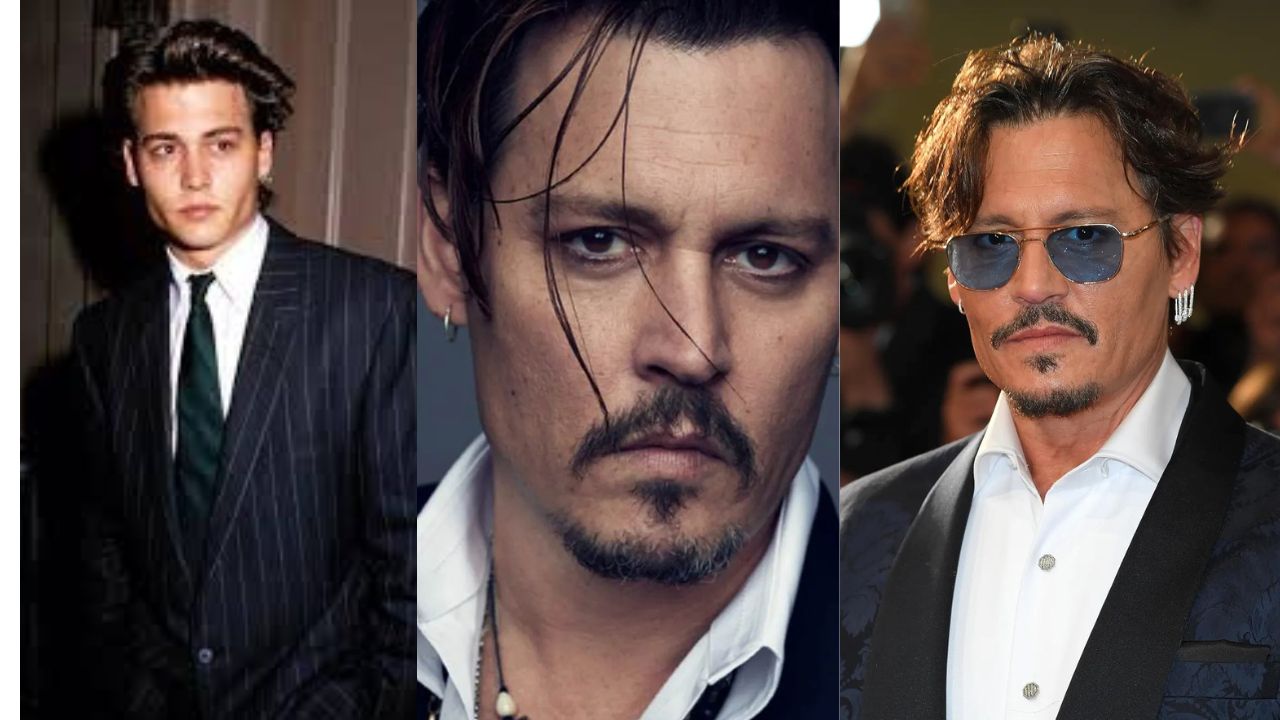
Johnny Depp’s films have grossed over $8.7 billion worldwide, making him one of the highest earning actors in cinema history. Yet despite earning more than $650 million during his career, he filed for bankruptcy protection and faced complete career destruction. His story is one of the most dramatic in Hollywood: incredible talent, massive success, personal destruction, and a surprising comeback that defied predictions.
Johnny Depp’s entire journey from unknown actor to superstar to tabloid controversy to redemption. You’ll learn about the roles that made him famous, the financial disasters that nearly ruined him, the legal battles that consumed his life, and how he’s rebuilding now. Whether you’ve followed his career for decades or just know him from Pirates of the Caribbean, this comprehensive look will show you who he really is and why his story matters.
| Category | Details |
|---|---|
| Full Name | John Christopher Depp II |
| Date of Birth | June 9, 1963 |
| Age | 60 years old (as of 2024) |
| Place of Birth | Owensboro, Kentucky, USA |
| Nationality | American |
| Height | 6’0″ (183 cm) |
| Parents | John Christopher Depp Sr. (father), Betty Sue Palmer (mother) |
| Siblings | Debbie Depp (older sister), Daniel Depp (older brother), Christie Depp (younger sister) |
| Education | Dropped out of high school at age 16 |
| Occupation | Actor, Producer, Director, Musician |
| Years Active | 1984–present |
| Career Start | A Nightmare on Elm Street (1984) |
| Breakthrough Role | Officer Tom Hanson in 21 Jump Street (1987–1990) |
| Iconic Character | Captain Jack Sparrow in Pirates of the Caribbean (2003–2017) |
| Net Worth | $150 million (estimated, post legal settlements) |
| Total Career Earnings | Over $650 million from films |
| Oscar Nominations | 3 (Edward Scissorhands, Finding Neverland, Sweeney Todd) |
| Golden Globe Wins | 1 (Sweeney Todd) |
| Golden Globe Nominations | 10+ |
| BAFTA Nominations | Multiple |
| Major Films | Edward Scissorhands, Pirates of the Caribbean series, Finding Neverland, Sweeney Todd, Black Mass, Blow, Public Enemies, Charlie and the Chocolate Factory |
| Tim Burton Collaborations | 6 films (Edward Scissorhands, Ed Wood, Sleepy Hollow, Charlie and the Chocolate Factory, Sweeney Todd, Alice in Wonderland) |
| Pirates Franchise Earnings | $300+ million across five films |
| Total Pirates Box Office | $4.5 billion worldwide |
| Marriages | Lori (first wife), Amber Heard (2015–2016) |
| Long-term Relationships | Vanessa Paradis (1998–2012, 2 children), Kate Moss (1990s) |
| Children | Lily Rose Depp (daughter with Vanessa Paradis), Jack Depp (son with Vanessa Paradis) |
| Notable Productions | Infinitum Nihil (his production company) |
| Directed Films | The Brave (1997), Jeanne du Barry (2023) |
| Voice Acting | Rango, Corpse Bride, Alice in Wonderland |
| Music Projects | Hollywood Vampires (band with Alice Cooper, Joe Perry) |
| Musical Collaborations | Performed with Jeff Beck |
| Brand Endorsements | Dior Sauvage, various luxury brands |
| Personal Interests | Music, guitar playing, art collecting, vintage cars, horses |
| Properties Owned | 14+ residences including homes in Los Angeles, France, Bahamas |
| Art Collection | Owns works by Jean Michel Basquiat and other famous artists |
| Guitar Collection | Over 70 guitars, some extremely rare and valuable |
| Monthly Spending (Peak) | $2 million per month (claimed in lawsuits) |
| Bankruptcy Filing | Filed for bankruptcy protection in 2017 |
| Major Legal Battle | Virginia defamation trial vs. Amber Heard (2022) |
| Trial Verdict | Won defamation case, awarded $10.35 million in damages (reduced on appeal) |
| Final Settlement | Settled with Amber Heard for $1 million in 2022 |
| Career Losses | Dropped from Pirates of the Caribbean franchise, Fantastic Beasts 3 role |
| Estimated Lost Earnings | $50+ million in cancelled projects and lost opportunities |
| Comeback Films | Jeanne du Barry (2023), upcoming independent projects |
| Current Status | Active in selective film roles, directing, music performances |
| Residence | Los Angeles, California (primary) |
| Tattoos | “Winona Forever” changed to “Wino Forever,” various other tattoos |
| Notable Quotes | Known for introspective comments about art and acting |
| Cultural Impact | Created iconic characters including Captain Jack Sparrow, Edward Scissorhands |
| Film Industry Status | Respected character actor despite controversies |
| Public Perception | Rehabilitated after trial verdict, supported by fans and some industry figures |
Early Life and Path to Acting
Johnny Christopher Depp II was born on June 9, 1963, in Owensboro, Kentucky. His childhood was unstable and painful. His family moved frequently, crossing the American South trying to find stability and better opportunities. His parents divorced when he was only 15 years old, an event that deeply affected him emotionally.
Music became his escape from a troubled home. He wanted to be a rock star more than anything else in the world. He dropped out of high school at 16 and formed a band called The Kids with his friends. The group moved to Los Angeles chasing the dream of record deals and sold out concerts, but success never came.
His path to acting was completely accidental. He met Nicolas Cage through his first wife Lori, and Cage suggested he try acting since he had connections in Hollywood. Depp was desperate for income and agreed to try it out without much enthusiasm. He got a small role in A Nightmare on Elm Street in 1984, where he played a teenager killed in a dream. It was a tiny part, but it paid and opened a door he didn’t know existed.
Breaking Through with 21 Jump Street
Everything changed in 1987 when Johnny Depp was cast in the television series 21 Jump Street. The police drama made him a teen heartthrob almost instantly. Teenage girls screamed when they saw him on television. He became a poster star whose image hung in millions of bedroom walls. His face appeared in teen magazines constantly, and fan mail arrived in enormous quantities.
The fame was overwhelming and unwanted. Depp actually hated being labeled a teen idol. He felt trapped being seen as just a pretty face with no real talent. Interviews from this period show clear frustration with how superficial the attention was. He worried that nobody would ever take him seriously as an actor.
This frustration led him to make a bold decision: he deliberately chose weird, risky, independent films to break away from the teen idol image. Instead of continuing on a safe television path or moving into romantic comedies, he picked strange roles that terrified casting directors. He wanted to prove he could actually act and that he wasn’t just a good looking guy.
Building a Unique Career with Tim Burton
The turning point came when Johnny Depp worked with director Tim Burton on Edward Scissorhands in 1990. This film showed audiences what he could really do as an actor. Playing a tragic, artificial person who couldn’t touch anything without causing harm required incredible physical control and emotional depth. He conveyed pain and loneliness through movement and minimal dialogue. Critics were shocked and impressed.
His collaboration with Tim Burton became one of the most important partnerships in modern cinema. They worked together on six major films: Edward Scissorhands, Ed Wood, Sleepy Hollow, Charlie and the Chocolate Factory, Sweeney Todd, and Alice in Wonderland. Each film showed a different aspect of his talent. Each role was completely different from the others.
Depp gravitated toward playing outsiders, misfits, and eccentric individuals. These weren’t traditional leading man roles. They were strange, dark, and often tragic characters. He would transform physically for each part, changing his voice, movements, and mannerisms. He studied real people and created unique interpretations. This dedication earned him respect from serious actors and critics who appreciated his commitment to the craft.
His career path made him a character actor in a leading man’s body. While other handsome actors were choosing safe blockbusters and romantic leads, he picked bizarre indie films. Many of these movies never made much money. But they established him as someone willing to take serious artistic risks. Hollywood started seeing him as a real actor, not just a pretty face.
The Pirates of the Caribbean Phenomenon
Everything changed again in 2003 with Pirates of the Caribbean: The Curse of the Black Pearl. This was supposed to be a fun adventure movie based on a theme park ride. During filming, Disney executives were worried about Johnny Depp’s performance as Captain Jack Sparrow. They thought his interpretation was too weird, too drunk, too over the top. Some reports suggest they nearly fired him during production.
Depp created Captain Jack by drawing inspiration from Keith Richards, the Rolling Stones guitarist, and Pepé Le Pew, the cartoon skunk. The result was a character unlike anything audiences had seen before: a pirate who was funny, unpredictable, and deeply flawed. He moved like he was constantly off balance. His speech was rambling and nonsensical. His moral compass pointed in random directions.
Test audiences loved him. When preview audiences saw the finished film, they laughed and cheered at Jack Sparrow’s scenes. The character that executives feared became the heart of the movie. Pirates of the Caribbean made $654 million worldwide and launched one of the most successful franchises in cinema history.
Depp received an Oscar nomination for Best Actor, something extremely rare for a blockbuster performance. This proved that his weird, artistic choices could work in mainstream entertainment. Captain Jack Sparrow became one of the most recognizable and beloved characters in film history. Children dressed up as him for Halloween. Adults quoted his lines constantly.
Pirates of the Caribbean Box Office Success:
- The Curse of the Black Pearl (2003): $654 million
- Dead Man’s Chest (2006): $1.066 billion
- At World’s End (2007): $961 million
- On Stranger Tides (2011): $1.046 billion
- Dead Men Tell No Tales (2017): $794 million
Total franchise earnings exceeded $4.5 billion, making it one of the biggest movie series ever. Depp’s cut across all five films reportedly exceeded $300 million, making him one of the highest paid actors in Hollywood.
Other Memorable Roles and Performances
Beyond Pirates, Johnny Depp showed incredible range. In Finding Neverland, he played J.M. Barrie, the author of Peter Pan. This was straight drama with no comedy or weirdness. He gave a tender, emotional performance about creative inspiration and the pain of loss. He received another Oscar nomination for this role, proving he could do serious acting.
In Public Enemies, he played the real life gangster John Dillinger. The performance was cold and controlled. In Black Mass, he transformed into Whitey Bulger, the notorious Boston gangster, winning a Golden Globe for the role. These performances showed he could do grounded, realistic characters without theatrical flourishes.
He did something completely different in Sweeney Todd: The Demon Barber of Fleet Street, a Tim Burton musical. Depp sang his own songs as the murderous barber seeking revenge. He won another Golden Globe for this dark, haunting performance. Audiences were surprised by his singing ability and emotional depth.
Cult favorite films like Fear and Loathing in Las Vegas showed his commitment to challenging material. In Blow, he played cocaine trafficker George Jung in a nuanced performance. In Donnie Brasco, he played an undercover cop in a crime drama. Every role demonstrated different talents: comedy, drama, action, and emotional vulnerability.
He also did voice acting work, proving his talents extended beyond on camera performances. In Rango, he voiced the main character, a chameleon navigating the Old West. In Corpse Bride, he voiced the melancholy main character. He brought the same dedication and creativity to animated films that he gave to live action work.
Personal Life and Relationships
Johnny Depp’s personal life has been as dramatic as his film roles. In the late 1980s, he was engaged to actress Sherilyn Fenn and later to actress Jennifer Grey. These relationships made tabloid headlines because he was famous and the women he dated were also famous. The pairing of two celebrities always attracted media attention.
His relationship with Kate Moss in the 1990s made them one of the most photographed couples in the world. They appeared together at events, and photographers followed them everywhere. Their romance epitomized the glamorous, chaotic celebrity culture of that era. The relationship ended but left a lasting mark on both their public images.
From 1998 to 2012, Depp had a long relationship with French singer and actress Vanessa Paradis. They had two children together: Lily Rose and Jack. This was his longest and most stable relationship, lasting 14 years, though they never married. During this period, his life was more private and grounded. He spent time in France where Vanessa was from, away from Hollywood spotlight.
In 2015, he married actress Amber Heard. The marriage lasted only 15 months. She filed for divorce in 2016, and accusations of domestic abuse emerged from both sides. This relationship would later consume his life and destroy his career through legal battles that lasted years.
Despite his fame, Depp has a reputation as a private person who values privacy. He owns homes in France and on a private island in the Bahamas. Music remained a constant part of his life outside acting. He plays guitar frequently and has performed with various musicians over the years. His personal interests include art collecting, vintage cars, and maintaining friendships away from the spotlight.
Financial Troubles Despite Massive Earnings
In 2017, the world learned something shocking: Johnny Depp, despite earning over $650 million during his career, was in serious financial trouble. He filed a lawsuit against his business managers claiming they massively mismanaged his money. The case revealed how his wealth completely disappeared despite his enormous earnings.
His business managers countersued, claiming he spent $2 million every single month on an extravagant lifestyle. The breakdown was staggering: $30,000 monthly on wine, $200,000 monthly on private jet travel, $150,000 monthly on security, and millions more on art, memorabilia, and properties.
Depp owned over 70 guitars, some extremely valuable and rare. He collected expensive art including works by artist Jean Michel Basquiat. At one point, he owned 14 residences around the world including homes in Los Angeles, New York, the Bahamas, France, and elsewhere. He maintained a payroll of 40 people on his personal staff full time.
The numbers were almost incomprehensible. Despite making tens of millions from each major film, the money evaporated. He wasn’t investing wisely or building long term wealth. He was spending it as fast as it came in on luxuries and indulgences. The settlement forced him to sell properties and assets, and he had to acknowledge that he hadn’t been paying attention to his own finances.
What makes this even more shocking is that Depp admitted he didn’t monitor his own money. He trusted the wrong people and ignored financial reports. He never questioned where the money was going. This shows how even incredibly successful people can lose everything if they’re careless about money management and trust the wrong advisors.
The Amber Heard Legal Battles
Johnny Depp’s legal problems started after his 2016 divorce from Amber Heard. She claimed he was abusive, and he denied the allegations. They reached a settlement that included no admission of wrongdoing, but the damage was already done. The accusations would haunt him for years.
In 2018, Heard wrote an op ed in The Washington Post describing herself as a domestic abuse survivor. She didn’t name Johnny Depp, but the article was widely understood to be about him. He claimed this destroyed his career and filed a defamation lawsuit against her.
The first major trial was in the UK in 2020. Depp sued The Sun newspaper for calling him a “wife beater.” The judge ruled against him in that case, and Depp had to resign from Fantastic Beasts 3. This loss was humiliating and seemed to seal his fate as a toxic figure Hollywood wanted nothing to do with.
Then came the Virginia defamation trial in 2022. Both sides presented their cases over six weeks in a trial that was televised and streamed online. The trial became a massive social media phenomenon. Millions watched clips, formed opinions, and posted constantly. Hashtags related to the trial trended globally. TikTok videos about the trial received billions of views.
The trial included disturbing allegations, explicit recordings, text messages, and emotional testimony from both sides. Witnesses testified about incidents that were shocking and hard to believe. The public became obsessed with the case in ways normally reserved for only the biggest news stories. Media coverage was constant and intense.
The jury sided largely with Johnny Depp, awarding him over $10 million in damages. Heard won one of her counterclaims but for only $2 million. The verdict was celebrated by his supporters on social media. He was seen as vindicated and innocent. Yet the trial had been so public and so damaging that even winning felt hollow.
Career Impact and Hollywood Exile
During and after the legal battles, Johnny Depp lost major roles. Disney dropped him from the Pirates of the Caribbean franchise he created and carried. He lost his role in Fantastic Beasts 3, a major part in an important film series. Studios distanced themselves from him even before the verdict, essentially firing him without waiting for facts.
His asking price for film roles dropped dramatically. Insurance companies wouldn’t cover him on productions, making studios reluctant to hire him. Endorsement deals disappeared. The financial losses from cancelled projects exceeded $50 million in potential income. Hollywood treated him as toxic even though his trial verdict favored him.
This reflected a broader Hollywood approach: guilty until proven innocent when accusations emerge. Companies prioritized protecting their brand image over due process. They didn’t want to be associated with anyone facing legal troubles, regardless of the outcome. The fear of negative publicity outweighed loyalty to longtime stars.
The Comeback Begins
After winning the Virginia trial, public opinion shifted in Johnny Depp’s favor. He received a standing ovation at the MTV Video Music Awards in 2022, a shocking moment that seemed to indicate the public was ready to forgive him. The standing ovation lasted for several minutes, suggesting genuine support from the entertainment industry.
He returned to directing with Jeanne du Barry, a film about the final years of French king Louis XV. The film premiered at Cannes Film Festival in 2023, receiving a seven minute standing ovation. This was significant symbolically: one of the world’s most prestigious film festivals welcoming him back suggested his exile was ending.
New acting roles started being announced. Producers were willing to hire him again. The movie industry slowly rehired him as the legal battles faded from headlines. While major studios remained cautious, independent filmmakers and smaller productions welcomed him back.
Music became his personal outlet during the difficult years. He toured with legendary guitarist Jeff Beck before Beck’s death in 2023. He continued performing with his band Hollywood Vampires alongside Alice Cooper and Joe Perry. Music gave him a creative outlet that didn’t depend on studios or casting directors.
Brand endorsements started returning. Dior brought him back as the face of Sauvage cologne, one of the world’s most popular fragrances. The commercial success of products he endorsed showed that consumers still liked him. The public had moved on, and corporations followed.
His Legacy and Influence on Acting
Johnny Depp’s impact on film acting over four decades is substantial and undeniable. His willingness to take artistic risks influenced younger actors who cite him as an inspiration. He proved that making weird choices could lead to success if you had talent backing up the strangeness.
He earned three Oscar nominations, numerous Golden Globes, and recognition from prestigious film festivals. While he never won an Oscar despite deserving performances, his critical recognition remains strong. Film historians discuss him among the important actors of his generation.
He changed how Hollywood views character actors and unconventional performers. Before Depp proved it, studios doubted whether quirky, eccentric characters could carry blockbuster films. He showed that audiences would embrace strange, unique performances. Directors and producers became more willing to take chances with unusual casting.
His reputation among directors and fellow actors is generally excellent. People who’ve worked with him speak about his dedication, his technical skill, and his commitment to creating interesting characters. He prepared meticulously for roles, researching, developing unique voices and physicality.
His place in film history is secure regardless of personal controversies. From teen idol to respected character actor to blockbuster star, he demonstrated incredible range and artistic commitment. His films will be watched and studied for generations. The characters he created have become cultural icons.
Current Projects and Future Outlook
As of 2024, Johnny Depp has several confirmed projects in development. He’s directing more films and appearing in smaller, independent productions rather than major studio blockbusters. He’s being selective about roles, choosing interesting characters over big paychecks.
At 60 years old, he’s in the phase where actors transition from leading man roles to character parts. Other successful actors have made this shift: Anthony Hopkins, Al Pacino, and Robert De Niro all continued thriving in late career character roles. Depp has the talent and reputation to do the same.
He’s spoken about wanting to work only with people and projects he truly believes in. He has his production company Infinitum Nihil developing films. He’s interested in directing more, having shown talent behind the camera with Jeanne du Barry. He mentioned wanting to work with Tim Burton again, suggesting their collaboration might continue.
Financially, he’s in a much different position than during his bankruptcy period. The trial settlement and legal victories have restored his earning power. He doesn’t need to make financial desperation moves. He can choose projects based on artistic merit, which is how he’s approaching his career now.
What We Can Learn from His Story
Johnny Depp’s life offers several important lessons. The most obvious is about financial literacy and money management. No matter how much you earn, if you spend it carelessly without monitoring, you’ll go broke. Success doesn’t guarantee financial security. Wealth requires discipline and attention to detail.
His career choices show the power of artistic integrity. He could have made hundreds of millions more by sticking with safe commercial roles. Instead, he chose interesting characters in smaller films. Many of those films didn’t make much money, yet they built his reputation as a serious actor. When blockbusters came along, he was ready to succeed in them.
The legal battles and media circus around the trial show how quickly public perception can change. Social media gave millions of people the ability to follow events minute by minute and form strong opinions. The trial became entertainment rather than a serious legal matter. This raises questions about justice when trials become spectacles.
On a personal level, his story shows the cost of fame and excess. Despite incredible talent and success, addiction struggles, relationship problems, and poor judgment affected his life. Money and fame don’t solve personal problems. They can actually make them worse. Surrounding yourself with good people and maintaining discipline matters more than wealth.
His comeback shows that redemption is possible. He lost almost everything: his career, his reputation, his earning power. Yet he persisted, worked through the legal system, and ultimately won. The public and industry eventually gave him a second chance. Resilience and the quality of your work matter more than temporary scandal.
Conclusion
Johnny Depp’s career from 1984 to now represents one of the most dramatic journeys in entertainment history. He transformed from a desperate teenager needing money to a superstar earning hundreds of millions of dollars. He took incredible artistic risks that could have destroyed his career but instead elevated it. He fell further than almost anyone, facing legal battles that seemed to end his life as he knew it.
Yet he survived and is now rebuilding, not through desperation but through selective work on projects that interest him. His talent was never in question, even during the darkest moments. People may disagree about his personal life and the legal battles, but his acting ability is undeniable.
Johnny Depp’s legacy will be his performances and the characters he created. Captain Jack Sparrow alone ensures his place in cultural history. Edward Scissorhands, Sweeney Todd, and his other memorable roles will be watched and discussed for decades. His influence on acting and Hollywood’s approach to casting remains strong.
Watch or rewatch his best performances and appreciate the incredible range he demonstrates. Share your favorite Johnny Depp role in the comments below. Explore our other articles about actor comebacks, Hollywood legends, and cinema history to learn more about the entertainment industry’s most compelling stories.