

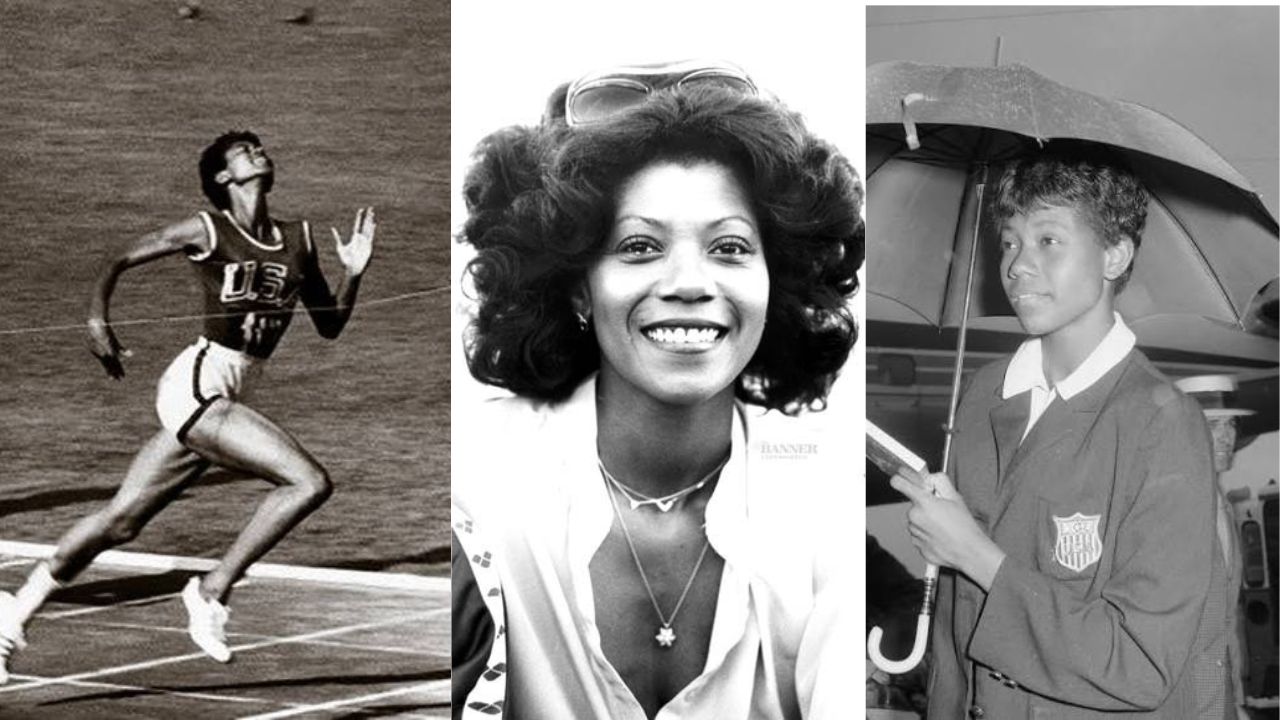
Wilma Rudolph won three Olympic gold medals at age 20 in 1960, becoming the first Black woman to achieve this incredible feat. Most people don’t know her story or how hard she fought just to compete. Her life shows what’s possible when you refuse to quit despite impossible odds.
Wilma’s journey from a paralyzed child to Olympic champion inspires people across the world. Doctors said she would never walk normally. Her parents said otherwise. This article tells her complete story, from poverty and sickness to athletic glory and lasting impact. Her achievements changed sports forever and opened doors for countless women.
Born Into Poverty and Sickness
Wilma Rudolph was born on June 23, 1940 in Clarksville, Tennessee. Her father worked as a railroad porter and carpenter. Her mother worked as a maid and nurse. The family struggled with money and lived in poverty like many Black families in the South during that time.
Wilma was the 20th of 22 children born to her parents. With so many children and limited resources, life was difficult. The family didn’t have much money for medical care or good food. Despite these challenges, her parents loved her deeply and wanted the best for her.
When Wilma was four years old, she contracted polio, one of the worst diseases of that era. The virus attacked her body and paralyzed her left leg. Doctors told her parents she would never walk normally again. They advised her parents to accept this fate. Her parents refused to accept this diagnosis.
Fighting Back Against Polio
Polio was devastating in the 1940s and 1950s before vaccines stopped it. The disease could kill people or leave them permanently disabled. Wilma’s left leg became twisted and weak from the virus attack. She had to wear heavy leg braces just to walk, and even then it was painful.
Walking was incredibly difficult for years after the polio. Most children would have given up or accepted the limitation. Wilma’s parents believed she could recover with hard work and dedication. Her mother massaged her leg daily for years, rubbing it to improve blood flow and strength.
Physical therapy became part of Wilma’s daily routine, starting at a young age. Her siblings and parents all supported her recovery efforts. Sometimes other children made fun of her condition and the leg braces she wore. Wilma refused to let this stop her spirit or determination.
By age nine, she could walk without the braces. Doctors were shocked at her recovery since they had said it was impossible. This achievement seemed like a miracle to everyone who knew her. Her willpower and family support had made the impossible become real.
The Road to Running
After recovering from polio, Wilma wanted to play sports like other children. She played basketball in junior high school and discovered she loved athletics. Her speed and jumping ability were exceptional compared to other students. High school coaches noticed her natural talent immediately.
When Wilma was a teenager, coach Ed Temple discovered her at Tennessee State University. Temple saw potential in her that others missed completely. He recognized that she could become something special in track and field. She joined the Tennessee State Tigerbelles track team, one of the few opportunities for Black women at that time.
Training with elite female athletes pushed her limits every single day. The team was known for producing excellent sprinters and runners. Running became her passion and an escape from the difficulties of her life. She worked incredibly hard during practice sessions, never taking shortcuts.
Competition brought out her best efforts and determination. At age 16, she competed in the 1956 Melbourne Olympics while still in high school. This early Olympic experience showed her what competing at the highest level meant. She realized she could be even better with more training and dedication.
Early Olympic Experience in 1956
Wilma was only 16 years old when she traveled to Melbourne, Australia for the Olympics. This was her first international competition at such an elite level. She won a bronze medal in the relay race with her teammates. This success proved she belonged among world class athletes from around the globe.
The experience taught her valuable lessons about competing at the Olympics. She watched older athletes and learned from their techniques and strategies. Teammates mentored her on how to handle pressure and perform when it mattered most. Her coaches explained what she needed to improve for future competitions.
The early Olympics planted important seeds for her future greatness. She returned home determined to improve every aspect of her running. She understood that she could win gold medals if she worked hard enough. This belief in herself would drive her forward for the next four years.
Training and Development Years
Between 1956 and 1960, Wilma trained with incredible intensity and focus. Coach Ed Temple became her mentor and guiding force in athletics. She attended Tennessee State University starting in 1959, where she studied while training. The university was historically Black and strongly supported women’s athletics.
Tennessee State had one of the best women’s track programs in the entire country. The training facility was basic by today’s standards, but her determination was unlimited. She balanced college studies with athletic training during long days. Wilma ran multiple events including the 100 meter dash and the 200 meter dash.
She also ran on relay teams with other excellent sprinters from the university. Her times improved dramatically during these years of dedicated training. She set national records in several events that had stood for years. Running in segregated competitions was the harsh reality of that time in America.
Despite facing discrimination, she excelled in every race she entered. Her teammates became her closest friends and strongest supporters. Coach Temple believed in her when others doubted her abilities. He pushed her to work harder than any male athlete on the team.
Breaking Records Before 1960
Wilma set world records in the 200 meter dash before the Olympics. She equaled world records in the 100 meter dash multiple times. These amazing achievements happened before the Rome Olympics even began. Other sprinters began to fear racing against her because she was so fast.
She won races with stunning margins of victory that left competitors far behind. Her speed seemed almost superhuman to observers watching the competitions. News media started calling her the fastest woman in the world. This nickname reflected her complete dominance in sprinting events.
European athletes watched her performances closely and with great respect. American track and field was gaining international respect because of athletes like her. Wilma represented American women’s athletic ability on the world stage perfectly. She broke barriers for other Black female athletes by proving their excellence.
Young girls saw her competing and believed they could achieve anything. Her success opened minds about what women could accomplish in sports. She became a symbol of possibility for those who faced discrimination.
The 1960 Rome Olympics: Gold Medal Glory
Wilma arrived in Rome as a favorite for multiple medals. The Olympics were held in Italy in late August during perfect summer weather. Competing at age 20, she was in her absolute peak athletic condition. Her body, mind, and skills had never been better.
The 100 meter dash was her first event at the Rome Olympics. She won gold with an Olympic record time of 11.0 seconds. This victory silenced anyone who doubted her abilities or questioned her potential. The crowd gave her a standing ovation for her incredible performance.
The 200 meter dash came a few days later in the competition schedule. She won gold again with a dominant time of 24.0 seconds. Two gold medals in two individual events made her a champion. Other sprinters could not compete with her speed and technique.
The relay race was the final event of her Olympics. She ran on the 4×100 meter relay team with other excellent sprinters. Her teammates were also exceptional athletes who pushed themselves to excellence. The relay team won gold with a world record time that amazed observers.
Three gold medals in nine days made her a global superstar overnight. She had achieved what seemed impossible just years before with polio. Newspapers around the world covered her victories on front pages. American pride was particularly strong in these victories for women’s athletics.
| Event | Time | Result |
|---|---|---|
| 100m Dash | 11.0 seconds | Gold |
| 200m Dash | 24.0 seconds | Gold |
| 4x100m Relay | World Record | Gold |
She became the first Black woman to win three Olympic gold medals at a single Olympics. This achievement broke racial barriers in sports that had existed for decades. European audiences gave her standing ovations and respect. The victories proved that excellence knows no color or background. The International Olympic Committee maintains official records of all Olympic performances and Wilma’s historic achievements.
Coming Home as a Champion
Wilma returned to Tennessee as a national hero that people celebrated. Her hometown of Clarksville organized a huge celebration in her honor. The parade welcomed her with thousands of people lining the streets. Local and national media followed her every move and statement.
She was invited to speak at schools and community events constantly. The mayor declared a special day in her honor with official ceremonies. Her family felt immense pride in her achievements and her character. Young Black girls now had a real role model to admire and emulate.
Wilma refused to attend segregated events after returning from Rome. She demanded integrated celebrations in her hometown during the civil rights era. This was brave and bold during a time of severe racial discrimination. Her athletic success gave her a platform for change that she used wisely.
She challenged segregation directly and refused to accept unfair treatment. Clarksville eventually held an integrated parade for her as a result. This was significant progress for the civil rights movement at that time. Her courage inspired others to demand equal treatment and respect.
Life After Olympic Glory
Wilma continued competing in track and field after the 1960 Olympics. She participated in competitions around the world and remained extremely competitive. Track meets in Europe became regular occurrences for her during this period. International athletic events showcased her talents to audiences across the continent.
She remained one of the fastest women in the world throughout this time. Injuries and age eventually slowed her down as time passed. She retired from competitive athletics in 1962 at the peak of her abilities. Her athletic career lasted only a few years at the very top level.
Some athletes compete for decades, but she peaked early and burned bright. Quality over quantity defined her entire career perfectly. She achieved more in four years than most athletes do in a lifetime. Her legacy was already secure by the time she retired.
Breaking Barriers Beyond Athletics
Wilma became a civil rights activist after her Olympic success ended. She spoke out against racial discrimination openly and refused to be silent. Her platform gave voice to people who had no way to be heard. She traveled the country speaking about equality and justice.
Schools invited her to inspire students and share her message. She talked about overcoming obstacles and fighting against prejudice and injustice. Her story connected with people of all backgrounds and races. She challenged segregation laws directly through her activism and refusal to compromise.
Athletic success gave her credibility to speak on serious social issues. She refused endorsements that conflicted with her values and principles. Some companies wanted to profit from her fame unfairly without supporting her beliefs. She maintained her integrity despite significant financial pressures and temptation.
She became an ambassador for women’s athletics and female opportunities. She worked to create opportunities for young female athletes to compete. She believed women deserved equal support and funding as male athletes. Her advocacy continued for decades after her retirement from professional competition.
Coaching and Mentoring
After retirement, Wilma became a coach and mentor to young athletes. She worked with young athletes to develop their talents and character. She understood the challenges young athletes faced in competitive sports. Her experience made her an extremely effective teacher and guide.
She taught technique, speed, and mental toughness to everyone she coached. Students responded to her passion and extensive knowledge of athletics. She helped Black youth in particular access opportunities and support. She believed in the power of athletics to change lives completely.
Her coaching emphasized both athletic development and personal character growth. She inspired the next generation of female athletes to dream bigger. She showed them that their background didn’t limit their potential. Many of her students went on to compete at high levels.
Personal Life and Family
Wilma married Robert Eldridge in 1961 shortly after the Olympics. They had four children together during her life. Family was important to her despite her athletic commitments and travel. She balanced motherhood with her career pursuits as best she could.
She divorced Robert in 1980 as their relationship ended. Personal relationships sometimes suffered from her demanding schedule and constant demands. She remained close to her family throughout her entire life. Her children saw her as more than just an athlete.
Health Struggles Later in Life
Wilma struggled with serious health issues in her later years. She had cancer multiple times during her life that she fought bravely. In 1994, she was diagnosed with brain and throat cancer. The cancer was aggressive and very difficult to treat.
She faced her illness with the same courage she showed fighting polio. Her faith remained strong during this difficult time of suffering. She continued speaking and advocating despite undergoing cancer treatment. Friends and family supported her through this terrible struggle.
Legacy and Impact
Wilma Rudolph died on November 12, 1994 at age 54. Her death shocked the world of sports and the broader community. Tributes poured in from athletes, coaches, and politicians around the world. She is remembered as one of the greatest female athletes ever.
Her Olympic records stood for many years before other athletes broke them. Her impact on women’s athletics changed the sport forever completely. She proved women could compete at the absolute highest level. She broke racial barriers in predominantly white sports that had excluded her.
She showed that disability does not define capability or potential. Young athletes still study her techniques and winning mindset today. Schools teach her story to inspire students to overcome obstacles. Her name appears in every history book about women’s athletics.
The Wilma Rudolph Award honors outstanding female athletes every year. Statues and memorials commemorate her achievements in her hometown. Her hometown considers her the most famous native they produced. Civil rights organizations recognize her contributions to equality and justice. The Smithsonian Institution preserves important information about Wilma Rudolph’s life and her contributions to American culture and civil rights.
She remains an icon of American sports and broader culture today. Suggested Outbound Link: International Olympic Committee biography at olympic.org provides official Olympic records.
What Made Her Different
Wilma combined speed with determination like few other athletes. She refused to accept limitations that others tried to place on her. Polio could have ended her athletic dreams before they started. Instead, she made it fuel for her success and motivation.
Her mindset separated her from other athletes competing at her level. She believed in herself when almost no one else did. Coach Ed Temple recognized something special in her from the start. She worked harder than everyone around her without complaint.
Pain never stopped her from training or giving her best effort. She understood that greatness requires sacrifice and dedication. Her humility despite global success was remarkable and genuine. She remained grounded despite becoming an international celebrity.
Lessons From Wilma Rudolph
Overcoming obstacles takes persistence and unwavering belief in yourself. Disability does not determine destiny or future potential. Hard work produces results even from seemingly impossible starts. Having mentors and supporters around you matters tremendously.
Using your platform for good is a responsibility you cannot ignore. Fear should never stop you from trying to achieve your dreams. Other people’s doubts should fuel your determination rather than discourage you. Excellence in one area can inspire change in many different areas.
Small victories lead to larger accomplishments over time and persistence. Never accepting limitations opens possibilities that others cannot see. Your circumstances don’t determine your future unless you let them. Courage and determination can overcome almost any obstacle.
How Wilma Changed Women’s Sports
Female athletes gained more respect and recognition after her success. Funding for women’s athletics increased following her 1960 Olympic victories. Universities began investing in women’s track programs across the country. Girls had role models to aspire to and emulate in sports.
Women’s participation in sports increased dramatically after her achievements. Title IX laws benefited from the foundation she helped build. Women athletes today stand on her shoulders and benefit from her work. She proved women’s sports were exciting and worthy of investment.
Gender discrimination in athletics became increasingly unacceptable after her. Professional opportunities for women expanded after her pioneering work. Female athletes gained respect as serious competitors rather than curiosities.
Conclusion
Wilma Rudolph’s story is one of the greatest in sports history. She overcame polio that doctors said would cripple her forever. She became the fastest woman in the world at just age 20. Three Olympic gold medals proved her extraordinary talent and dedication.
Her civil rights advocacy showed her character extended beyond athletics. She broke barriers for Black athletes and women athletes everywhere. Her legacy extends far beyond running times and Olympic medals. Young people still draw inspiration from her story today.
She teaches lessons about perseverance that matter to everyone. Disability, poverty, and discrimination could not stop her rise. Her determination changed the world of sports fundamentally. Athletes still study her techniques and winning mindset.
Society learned from her example that greatness knows no limits. Wilma Rudolph represents the best of human potential. Her impact on American culture remains significant today. She showed what one person can accomplish through determination.
Take Action Now
Read her autobiography for the full story of her life and struggles. Watch documentary footage of her Olympic races to see her greatness. Share her story with young people in your life who need inspiration. Learn about how she broke barriers in sports and society.
Understand how her legacy still influences female athletes today. Use her example to overcome your own obstacles and challenges. Support women’s athletics and female athletes in your community. Remember that circumstances don’t determine destiny or success.